Day Tours
Materuni Waterfall Hike & Coffee Tour - Cultural Tour
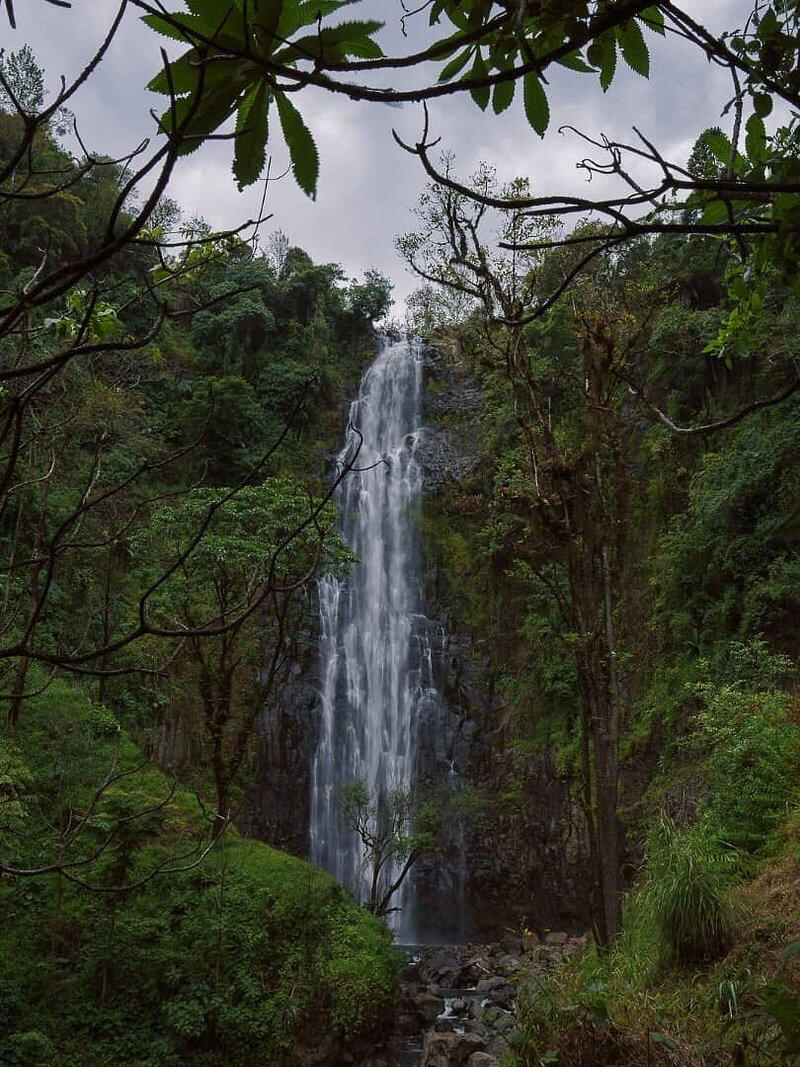
Learn about the Chagga culture and enjoy views of Mountain Kilimanjaro.
Hike through lush rainforest to the Materuni Waterfalls and take a swim
Learn about the traditional coffee processing on the farm and have a taste.
Sample local banana beer, wine, or vodka and buy handmade souvenirs.What's included:
Departure drive from your accommodation in Moshi.
A Friendly, Experienced and Passionate Local Guide expert at a wide variety of skills.
Transport in a comfortable, air-conditioned vehicle.
Entry ticket to Materuni Waterfalls.
Coffee experience and farm tour.
Traditional hot chagga lunch.
Return drive to Moshi at your accommodation.
What's not included:
Tips for the guide
Personal ExpensesItineraryBegin your day with convenient hotel pickup in Moshi after breakfast. Meet your Local Guide for a brief tour overview and gear check.Drive scenically through Moshi, the Kilimanjaro region's cultural hub, along Uru Road toward the mountain slopes. Pass bustling markets, street traders, and local transport showcasing everyday Tanzanian life.Arrive at Materuni Village, 15km from Moshi—one of the last authentic settlements before Kilimanjaro National Park. Register quickly, then hike guided to the waterfall.Your guide shares Chagga tribe origins, customs, and Materuni's flora/fauna. The trail winds through tropical rainforest, coffee/banana farms, with photo stops. Pass a village bar witnessing mbege banana beer brewing.Reach Materuni Waterfalls (80-90m tall), cascading into a natural pool. Swim in cool waters (weather permitting), then return.Next, immerse in a hands-on Arabica coffee tour: harvest cherries, peel, soak, dry, roast, grind—amid Chagga songs. Taste your brew, then enjoy buffet-style Chagga lunch with organic fruits, veggies, and highland dishes from clay pots.Browse artisan souvenirs; sample banana beer, wine, or vodka.$45 per person - includes transport, guide, lunch and entrance
day Tours
Kikuletwa Chemka Hot Springs Bicycle or Tuk Tuk Day Trip
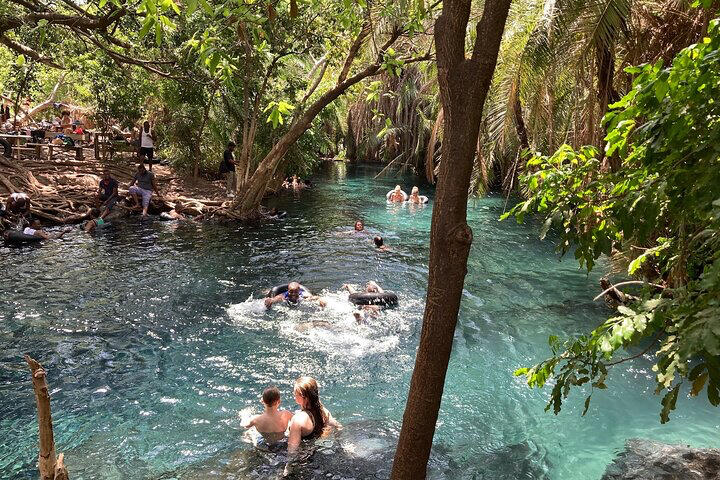
Escape into one of northern Tanzania's most beautiful natural oases at Chemka Hot Springs, also known as Kikuletwa Hot Springs. Despite its name, the water is not hot but naturally crystal-clear and refreshingly cool, emerging from underground springs that create a stunning turquoise pool surrounded by ancient fig trees and lush vegetation.Hidden in the countryside between Moshi and Arusha, Chemka Hot Springs is the perfect place to relax after a safari, a Mount Kilimanjaro climb or a day of sightseeing. The clear, mineral-rich water remains at a comfortable temperature throughout the year, making it ideal for swimming, floating and simply enjoying the peaceful surroundings.Visitors can spend the day swimming, snorkelling or relaxing beneath the shade of the trees while colourful fish swim through the pristine water. Adventurous guests can also enjoy the popular rope swing, adding a little excitement to this tranquil setting.HighlightsSwim in crystal-clear natural spring water
Relax in a peaceful oasis surrounded by lush vegetation
Enjoy the famous rope swing
Excellent spot for photography and nature lovers
Picnic and relaxation area
Suitable for families, couples and groups$45 per person - includes transport, guide, lunch and entrance
day Tours
Kilimanjaro Hiking day trip tour
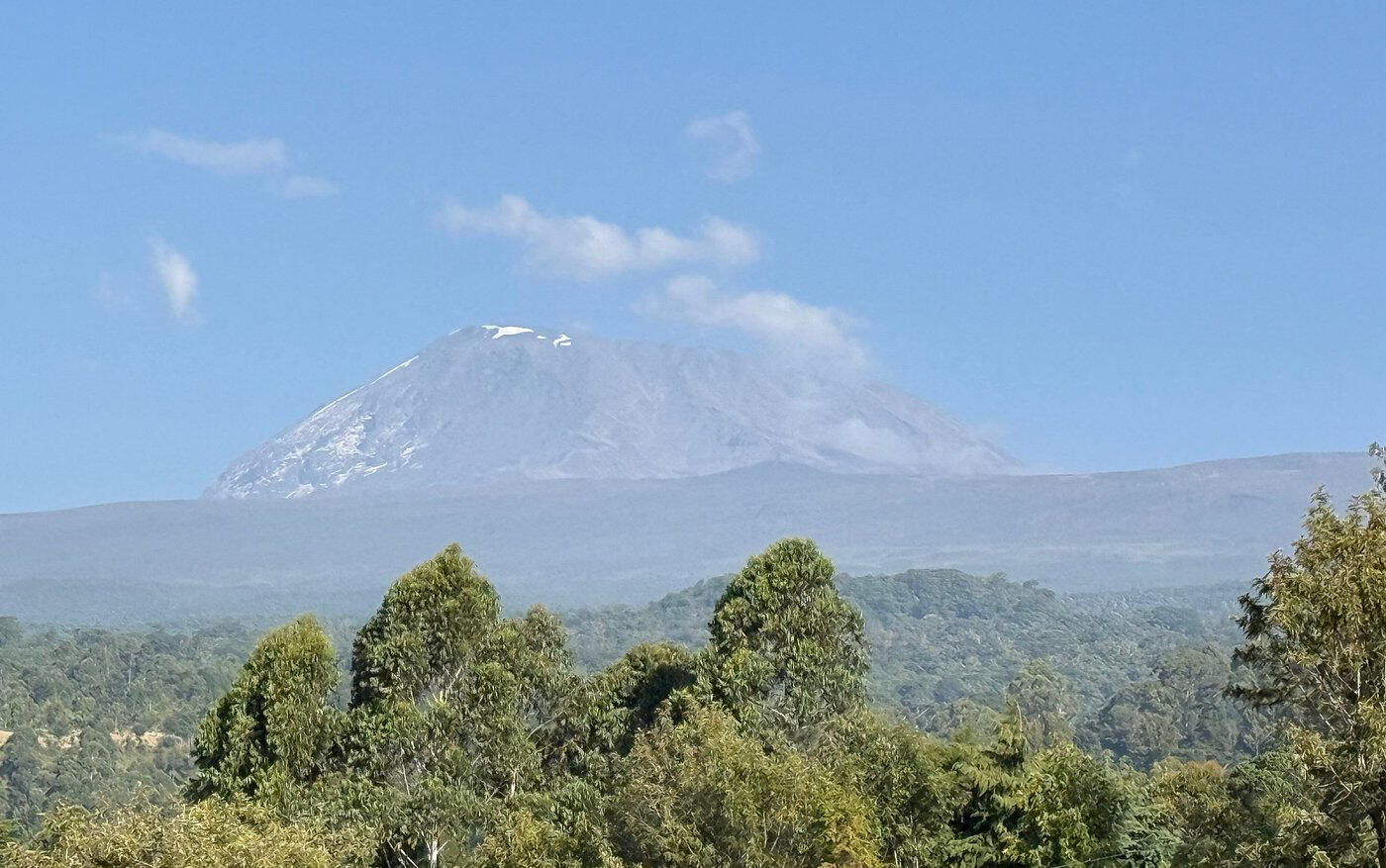
Majestic Mount Kilimanjaro is the awe-inspiring landmark of Tanzania but you don’t need to climb it to experience its full beauty and the captivating terrain that surrounds it. Our Sneak Peek of the Peak Hike is a Kilimanjaro day trip that gives you the opportunity to scramble up the first leg of the famed Marangu Route, through rainforest twittering with birdlife and chattering, curious blue monkeys. Watch out for a colobus or two!What's included:
Lunch box
Mineral Water
Guide Salary
Transport to the gate
Professional Mountain guide
Kilimanjaro rescue Car if you are Tired
Hotel pick up not more than 15km From Moshi Town
Kilimanjaro park feeWhat's not included:
Insurance
Tips for you are guideItineraryStop At: Kilimanjaro National Park, Kilimanjaro National Park, Kilimanjaro RegionMarangu Gate (1,800m/5,905ft) to Mandara Hut (2,743m/9,000ft) Elevation Gain: 915 meters, 3,000 feet
Leave bustling, colorful Moshi early for the drive to Marangu Gate, the threshold of magnificent Kilimanjaro. It’s just an hour’s drive, but you’ll be captivated by the countryside – coffee and banana plantations, through picturesque Marangu village, with Kilimanjaro rising majestically ahead of you.We’ll register you at the Marangu Gate and then your adventure will begin. At first, the ridged trail is narrow as you wander through the rainforest. It’s lush and misty, with the trees adorned with moss. The canopy overhead is alive with birdsong and strange rustlings – is that a colobus? Mongoose might scuttle ahead of you. You’ll also meet tired hikers descending from the summit. Give them a high five for effort.The hike to Mandara Hut is around three hours so stop to rest your legs and have a tasty lunch at the Hut and once you’ve replenished yourself, take the short but challenging walk to the Maundi Crater. On a clear day, the views to the east over Taveta and to the northwest to Mawenzi Peak are stunning. Don’t forget your camera! After basking in the beauty of it, you’ll hike back down to the Marangu Gate where our vehicle will be waiting for you to drive you, tired but happy, back to Moshi. This Kilimanjaro day hike is suitable for most people, even if you’re a little unfit!Duration: 10 hoursMeeting and pickup:Time of pick up from Arusha 6:00 AM
Time of pick up from Moshi 7:30 AM$200 per person - includes transport, guide, lunch, water and park entrance
day Tours
lake chala day trip
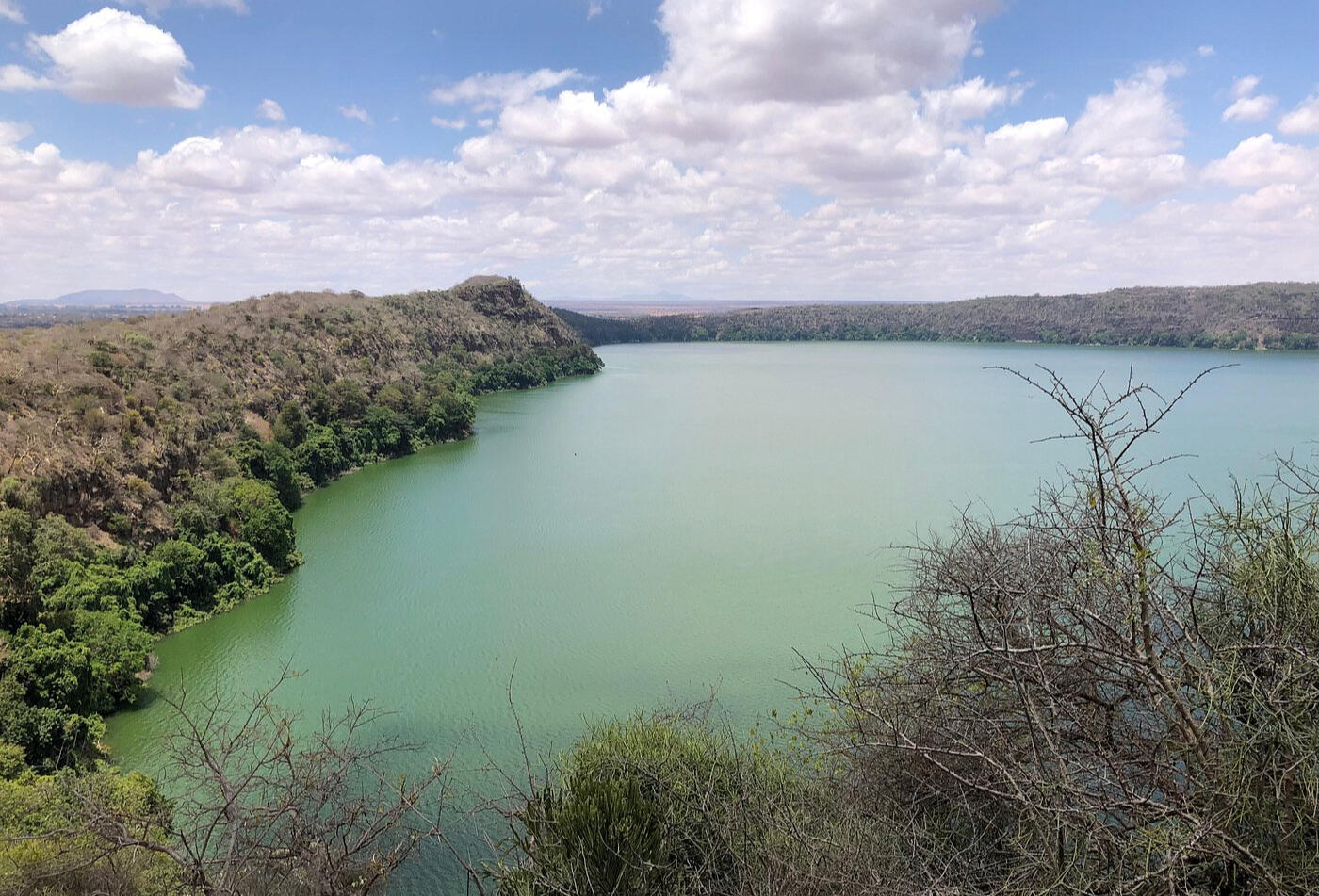
Discover the breathtaking beauty of Lake Chala, a hidden volcanic crater lake located on the border between Tanzania and Kenya, just a short drive from Moshi. Surrounded by dramatic cliffs, lush forests and the distant views of Mount Kilimanjaro, Lake Chala offers a peaceful escape into one of the region’s most spectacular natural landscapes.Formed thousands of years ago by volcanic activity, Lake Chala is a deep, crystal-clear freshwater lake fed by underground springs from the surrounding volcanic landscape. Its striking blue-green waters change colour throughout the day depending on the sunlight, creating a stunning setting for photography and relaxation.Visitors can explore the area through guided nature walks along the crater rim, where they can enjoy panoramic views of the lake, discover local plants and observe birds and wildlife that inhabit the surrounding forest. For those seeking adventure, activities such as kayaking, swimming and hiking down to the lakeshore provide a closer connection with this unique environment.HighlightsStunning views of a volcanic crater lake
Guided walks along the crater rim
Beautiful forest scenery and birdwatching opportunities
Swimming and kayaking in clear freshwater (conditions permitting)
Photography of dramatic landscapes and Mount Kilimanjaro views
Peaceful alternative to busier tourist attractions
day Tours
Massai Village Day Trip
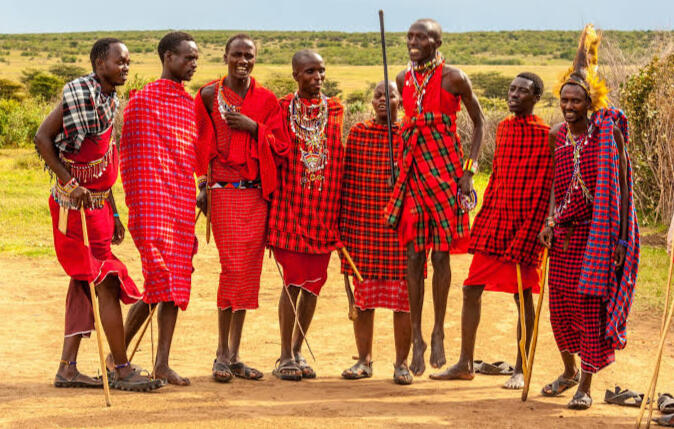
Step into the rich traditions of one of East Africa's most iconic communities with an authentic visit to a traditional Maasai village. This immersive cultural experience offers a unique opportunity to learn about the Maasai people's way of life, customs and deep connection with the land that has shaped their heritage for centuries.
During your visit, you will be welcomed by members of the community and introduced to their traditions through music, dance and storytelling. Explore a traditional boma (homestead), discover how Maasai homes are built using natural materials, and learn about their pastoral lifestyle, livestock management and family structure.
Your local Maasai guide will share insights into traditional clothing, jewellery, ceremonies and the importance of cattle within Maasai culture. Visitors also have the opportunity to learn about indigenous medicinal plants, traditional survival skills and the sustainable relationship the Maasai maintain with their environment.
Many villages also offer demonstrations of traditional fire-making, spear throwing and beadwork, with handcrafted jewellery and souvenirs available to purchase directly from local artisans, helping to support the community.HighlightsWarm welcome with traditional Maasai songs and dances
Guided tour of a traditional Maasai boma
Learn about Maasai customs, history and daily life
Discover traditional medicinal plants and indigenous knowledge
Watch demonstrations of traditional skills and craftsmanshipOpportunity to purchase authentic handmade beadwork and crafts
Support local communities through responsible tourism$140 per person - includes transport to and from, guide and lunch
day Tours
Mailisita wildlife park
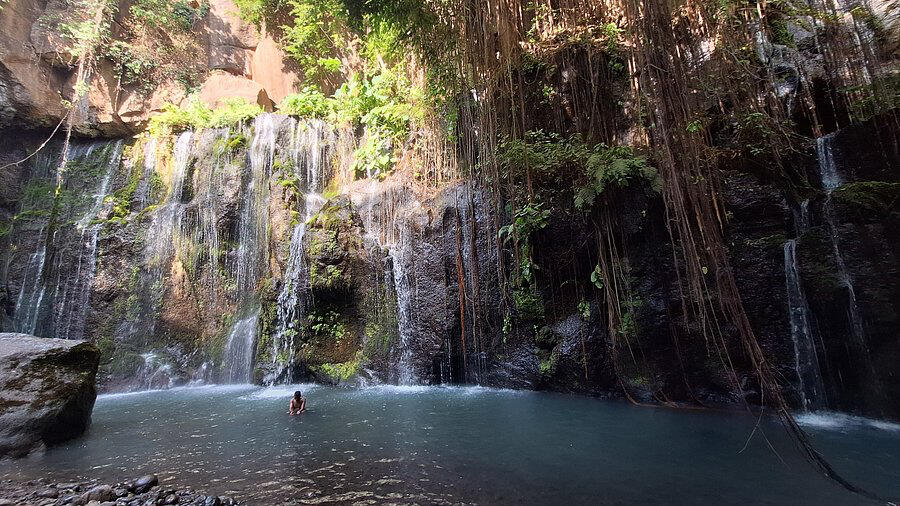
Nestled on the outskirts of Moshi, Mailisita Nature Park is a peaceful destination where visitors can experience the natural beauty of the Kilimanjaro region away from the crowds. The park is known for its lush vegetation, scenic walking trails and the beautiful Paradise Waterfall, a hidden gem surrounded by volcanic rock formations and crystal-clear mountain water.A guided walk through the park takes visitors beneath towering indigenous trees and through tranquil woodland, offering opportunities to spot colourful birds, butterflies and a variety of native plant species. The peaceful surroundings make Mailisita an excellent destination for nature lovers, photographers and anyone looking to enjoy a relaxing escape close to Moshi.The highlight of the visit is Paradise Waterfall, where fresh spring water cascades into a natural pool, creating the perfect setting for swimming, relaxing or simply enjoying the spectacular scenery. Adventurous visitors can descend to the falls via a wooden staircase that winds through the forest, making the journey just as memorable as the destination itself.HighlightsGuided nature walks through beautiful woodland
Visit the stunning Paradise Waterfall
Swim in refreshing natural spring water
Discover native plants, birds and butterflies
Excellent photography opportunities
Peaceful environment only a short drive from Moshi$45 per person - includes transport, guide, lunch and entrance
day Tours
Rau Forest
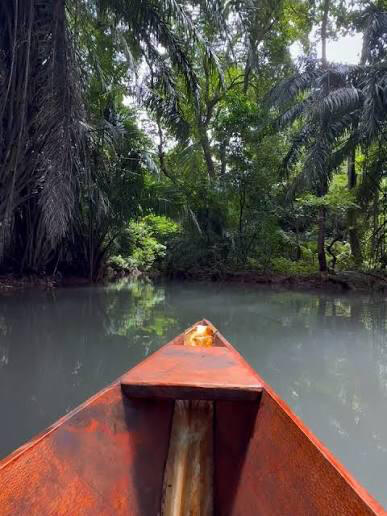
Just a few kilometres from Moshi town, Rau Forest is a peaceful protected woodland that forms part of the foothills of Mount Kilimanjaro. This unique groundwater forest is fed by crystal-clear springs originating from Kilimanjaro's underground water system, creating a lush habitat rich in native plants, birds and wildlife.A guided walk through Rau Forest offers visitors the chance to experience Tanzania's natural beauty away from the crowds. Towering fig trees, mahogany, palms and a variety of indigenous plant species line the forest trails, while colourful butterflies and numerous bird species make the forest a favourite destination for nature lovers and photographers.The forest is also home to a small population of black-and-white colobus monkeys, blue monkeys and bush babies, which can often be spotted among the trees. Along the way, knowledgeable local guides explain the ecological importance of the forest, its unique groundwater system, and the traditional uses of many native plants by local communities.HighlightsGuided rainforest and groundwater forest walks
Opportunity to see black-and-white colobus monkeys and blue monkeys
Excellent birdwatching and butterfly spotting
Learn about indigenous trees and medicinal plants
Peaceful natural environment close to Moshi
Suitable for families, students and nature enthusiasts$45 per person - includes transport, guide, lunch and entrance
parks
Serengeti
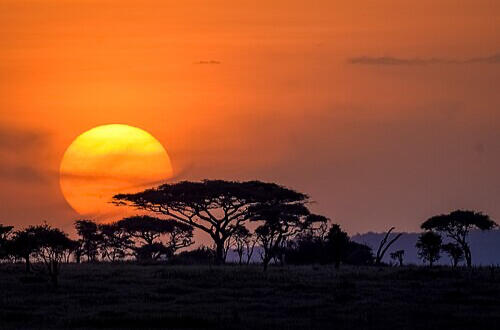
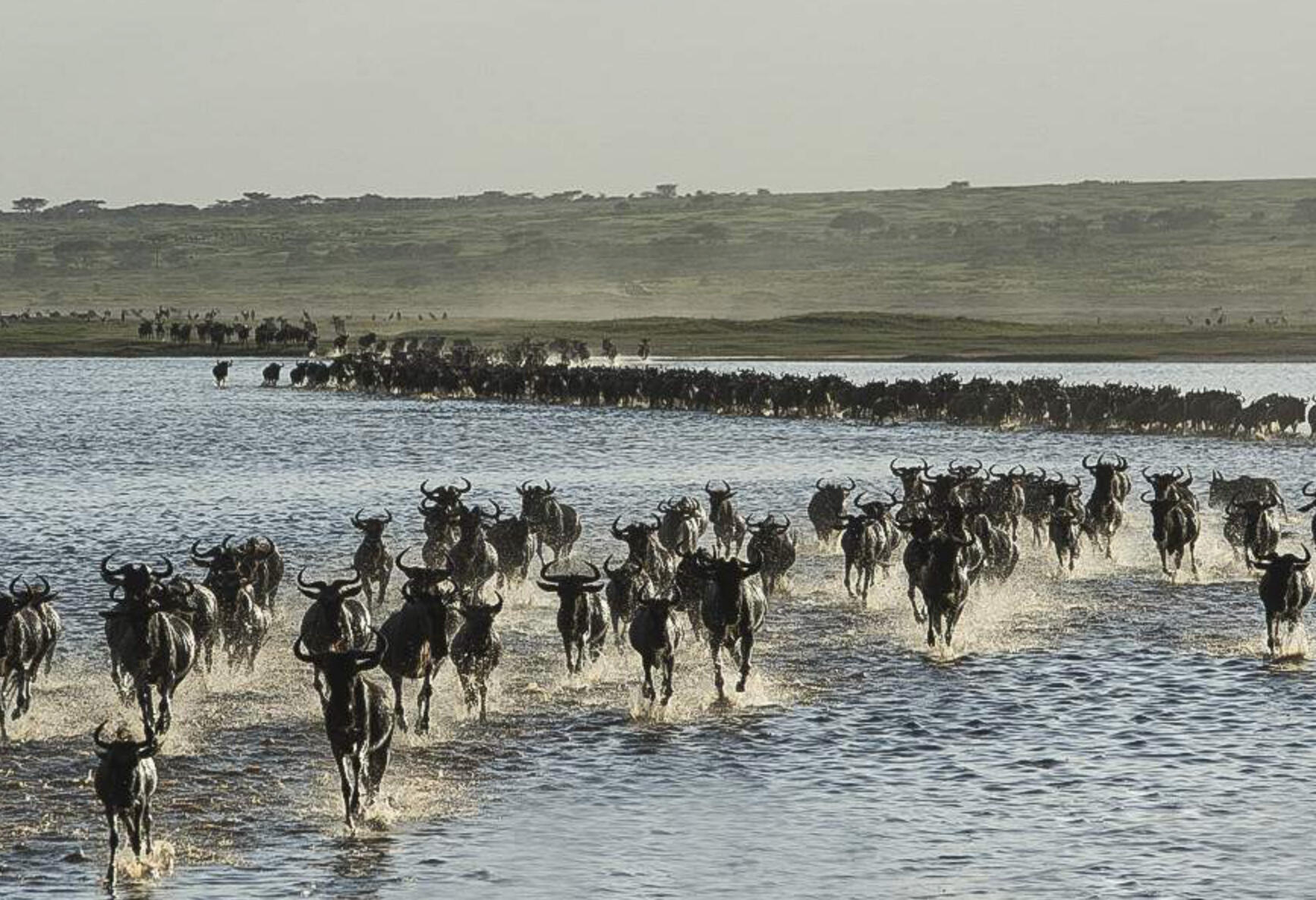
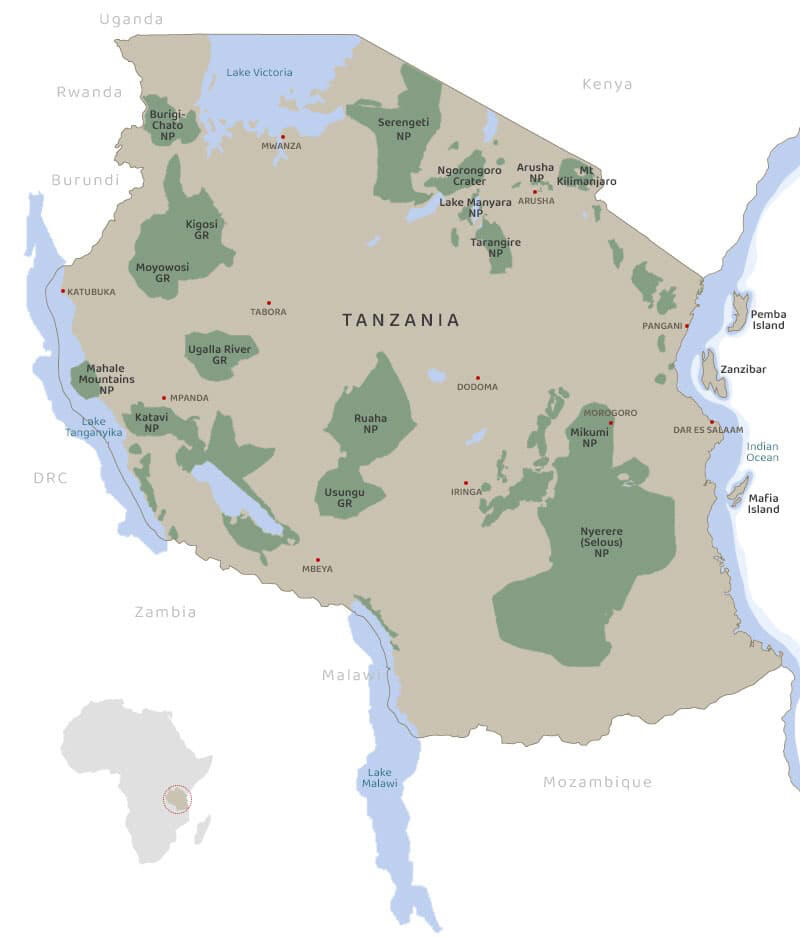
The Serengeti is Tanzania's most famous national park and a UNESCO World Heritage Site. Covering approximately 14,750 km², it is renowned for the Great Migration, during which over two million wildebeest, zebras, and gazelles travel in search of fresh grazing. The park is home to the Big Five (lion, leopard, elephant, buffalo, and rhino), along with cheetahs, hyenas, giraffes, crocodiles, and hundreds of bird species. Visitors can enjoy game drives, hot-air balloon safaris, photography, and luxury tented camps.Safari trips start at $450 per person for one day trips and $900 per person for 3 day trips. Contact us for a personalised quote
parks
lake manyara
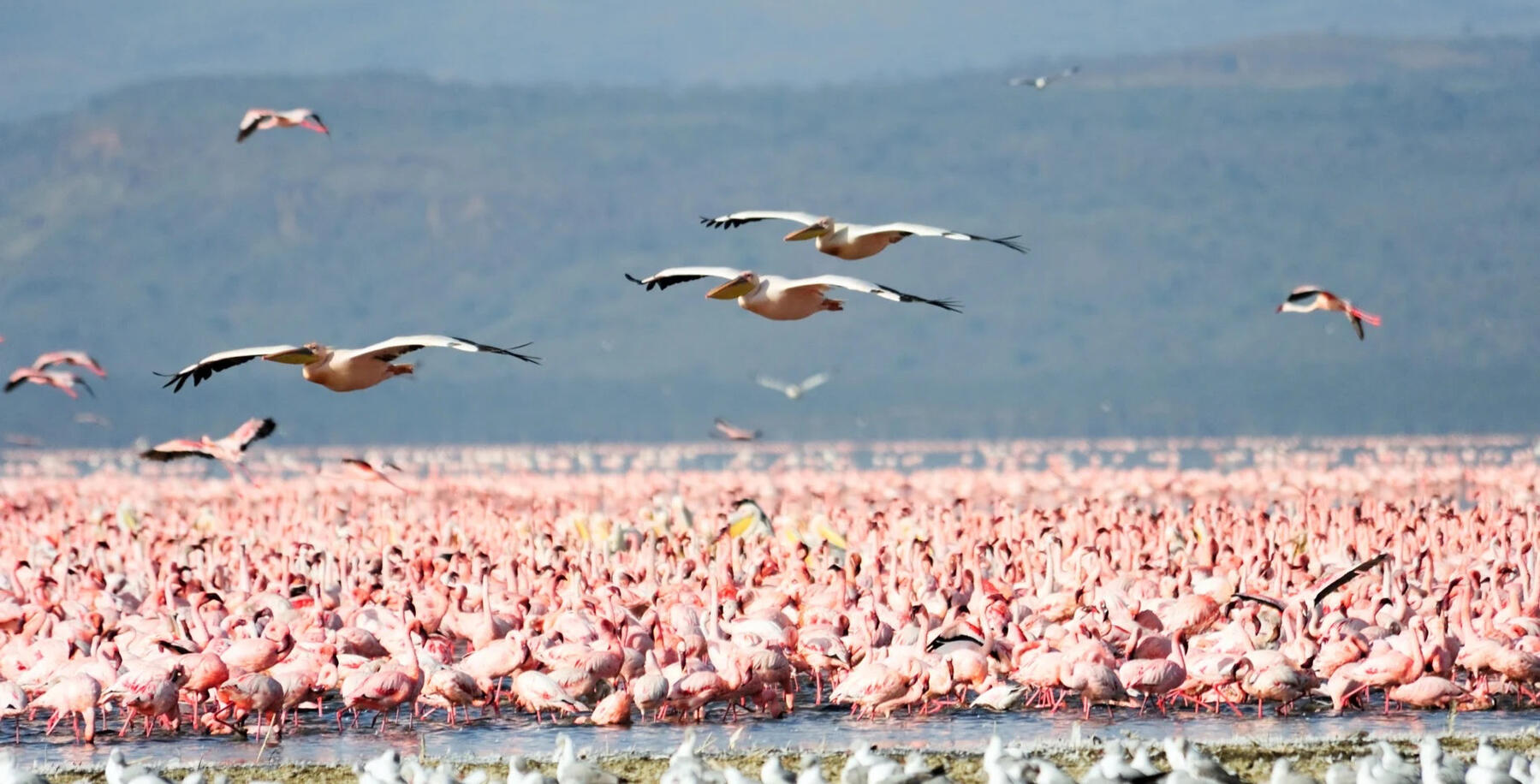
Although relatively small, Lake Manyara National Park offers an impressive diversity of habitats, including groundwater forests, open grasslands, and the alkaline lake itself. It is famous for its tree-climbing lions, large troops of baboons, elephants, hippos, and seasonal flocks of flamingos. The park is particularly popular with birdwatchers.
parks
Ngorongoro Crater
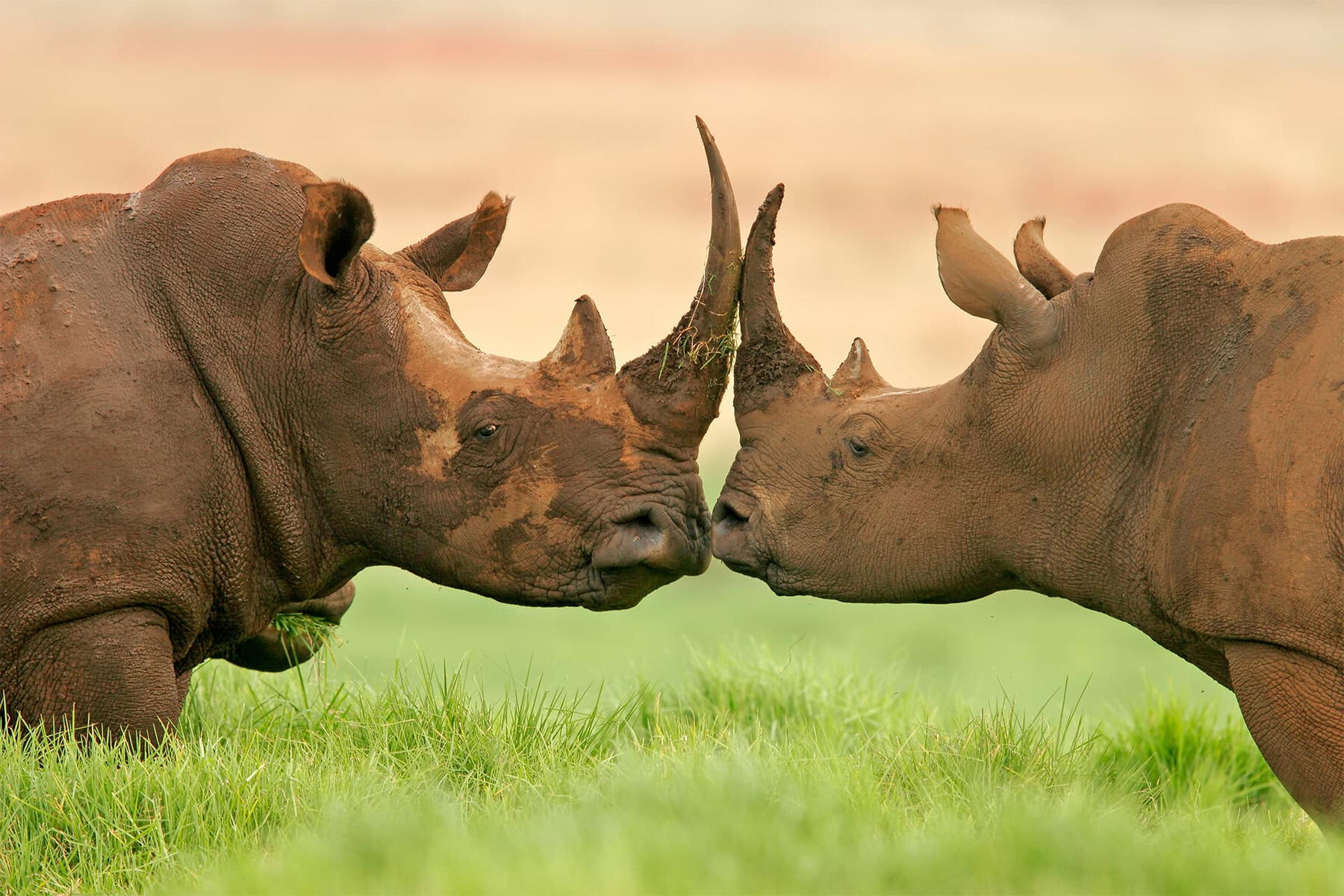
The Ngorongoro Conservation Area is home to the spectacular Ngorongoro Crater, the world's largest intact volcanic caldera. The crater supports one of the highest densities of wildlife in Africa, including endangered black rhinos, elephants, lions, hippos, zebras, and large herds of wildebeest. Unlike national parks, the conservation area allows the Maasai people to live alongside wildlife, creating a unique blend of culture and conservation.
parks
tarangire park
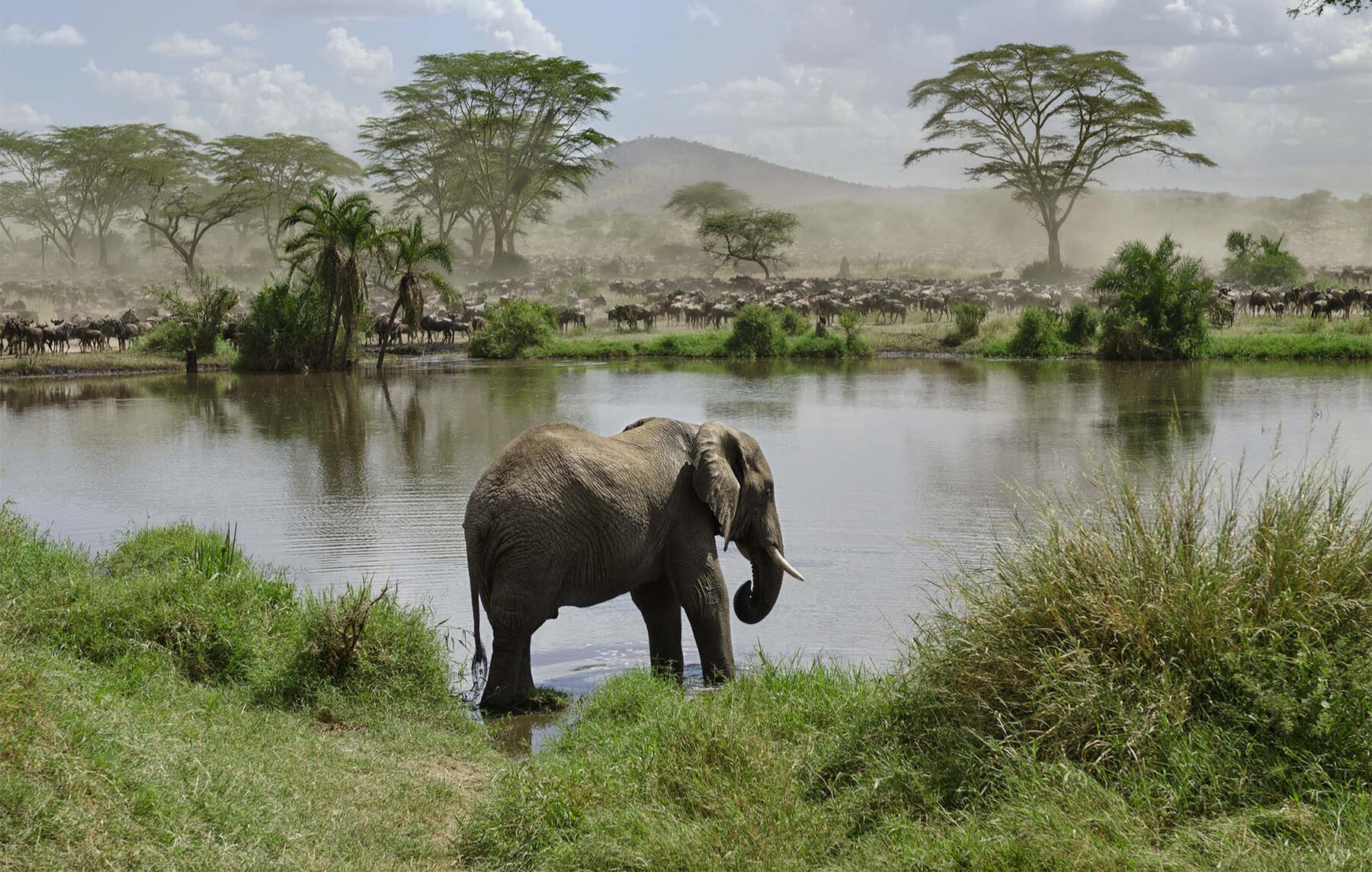
Tarangire National Park is famous for its enormous elephant population and iconic baobab trees. During the dry season, thousands of animals gather around the Tarangire River, making it one of Tanzania's best parks for wildlife viewing. Visitors commonly see elephants, lions, leopards, cheetahs, zebras, giraffes, wildebeest, and over 500 bird species.
parks
serval wildlife park
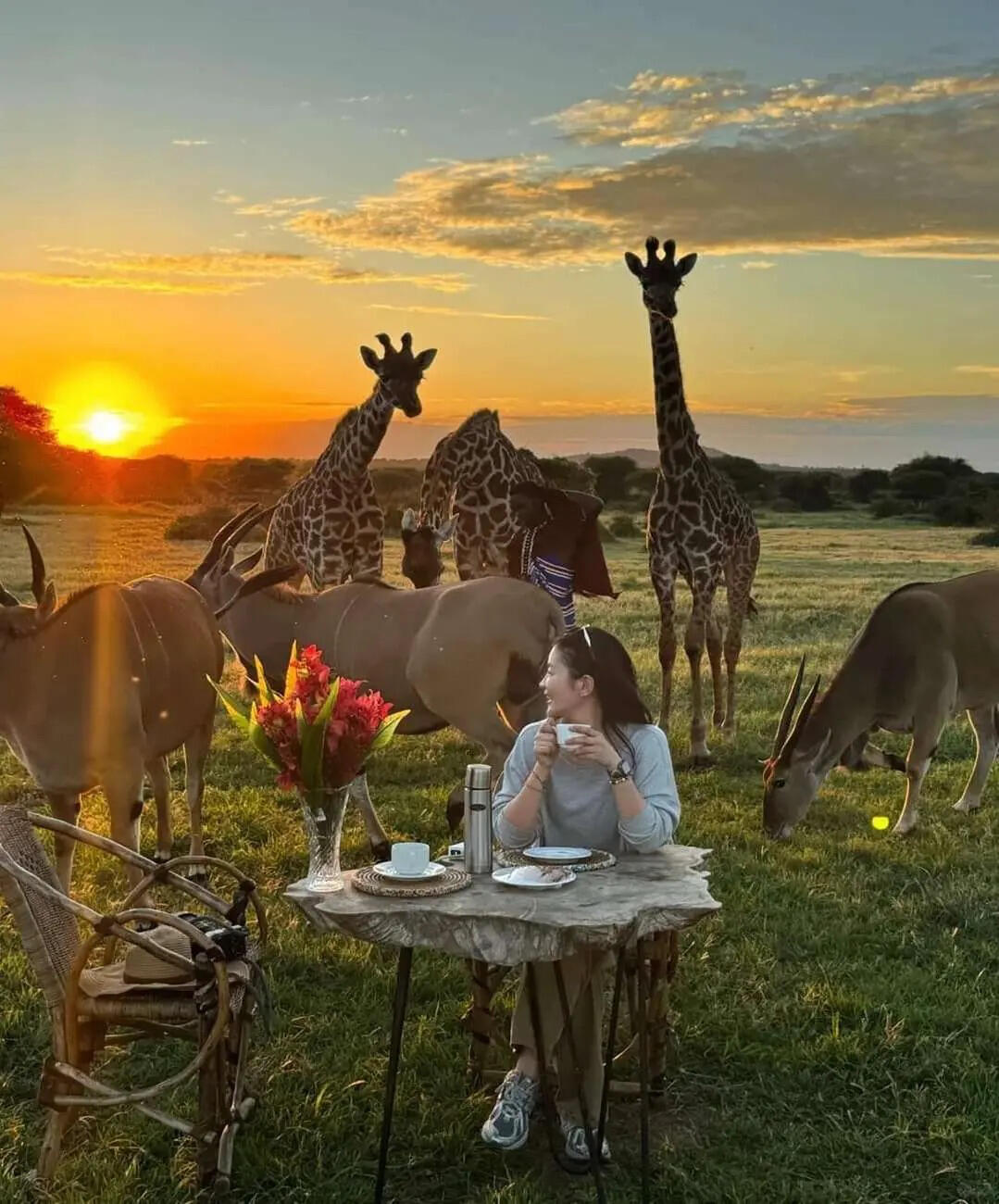
Located between Mount Kilimanjaro and Mount Meru in northern Tanzania, Serval Wildlife Sanctuary offers visitors the opportunity to observe rescued and rehabilitated wildlife in a spacious natural environment.
The sanctuary works alongside Tanzanian wildlife authorities to provide care for orphaned and injured animals, with the long-term goal of rehabilitation and, where possible, release into protected national parks.Guests can enjoy guided walks through the sanctuary while learning about Tanzania's remarkable wildlife and the conservation challenges many species face. Animals found at the sanctuary include giraffes, zebras, elands, lions, caracals and a variety of antelope, providing excellent opportunities for photography and close observation under the supervision of experienced guides.Serval Wildlife Sanctuary is an excellent addition to a northern Tanzania itinerary, particularly for families, photographers and visitors who would like to learn more about wildlife conservation before or after exploring Tanzania's famous national parks. The experience complements traditional game drives by providing educational insight into animal rehabilitation and conservation efforts.
parks
nyerere national park
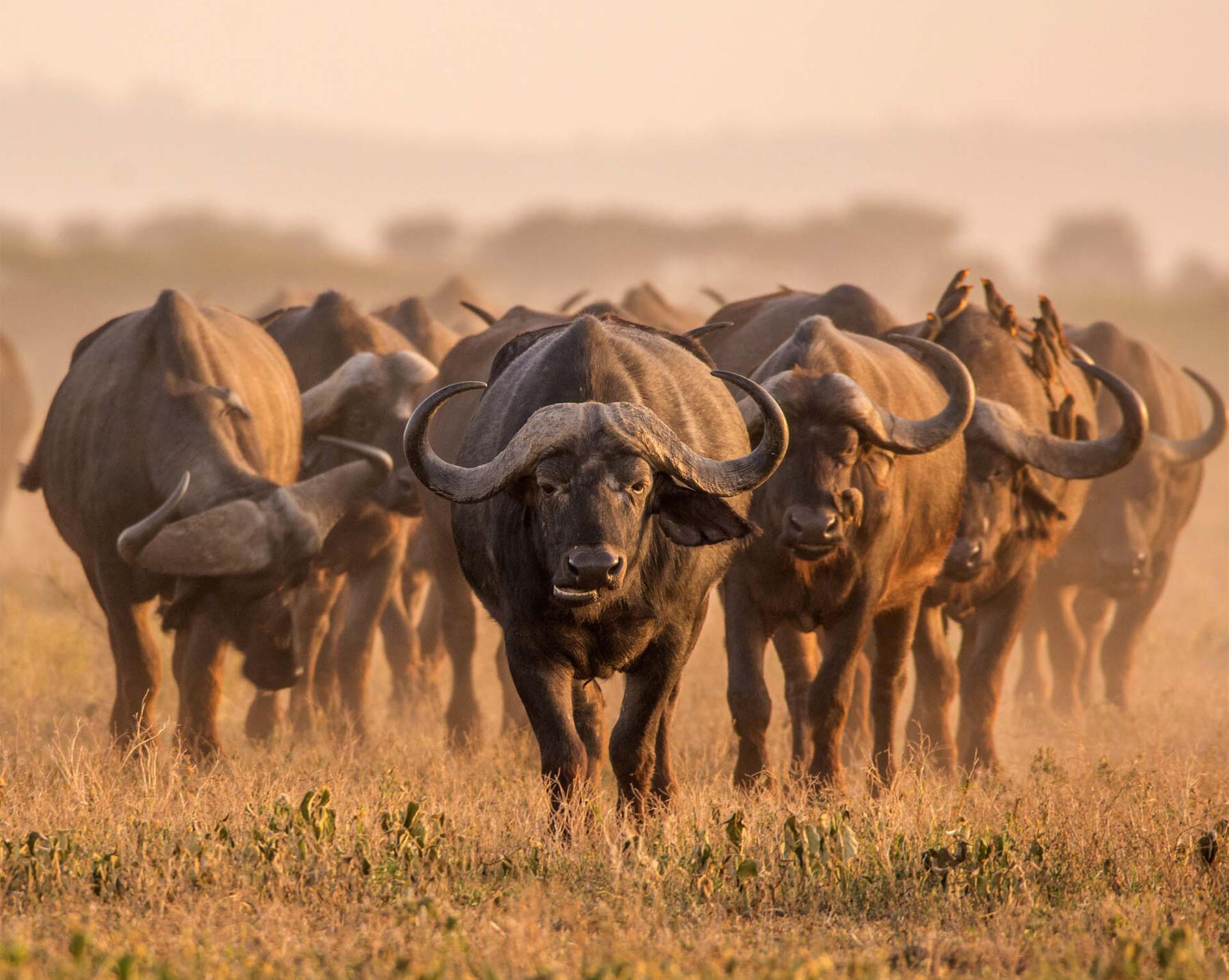
Formerly part of the Selous Game Reserve, Nyerere National Park is Africa's largest national park, covering over 30,000 km². The Rufiji River runs through the park, allowing visitors to enjoy boat safaris in addition to traditional game drives. It is one of the best places to see African wild dogs, crocodiles, hippos, elephants, buffalo, lions, and countless bird species.
parks
Ruaha national park
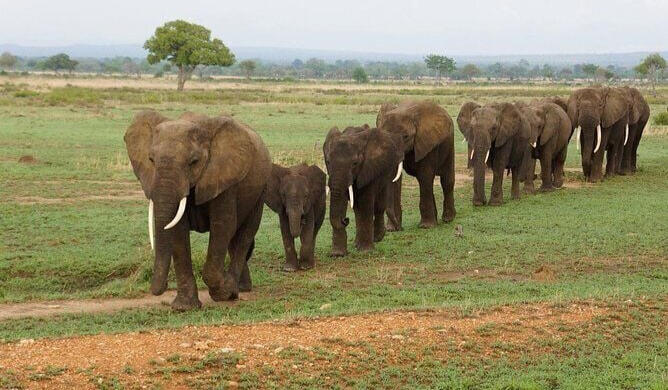
Ruaha National Park is Tanzania's largest frequently visited wilderness park and remains relatively uncrowded. It is famous for large prides of lions, impressive elephant herds, leopards, cheetahs, African wild dogs, and dramatic rocky landscapes dotted with baobab trees. Its remote location makes it ideal for travellers seeking a more exclusive safari experience.
parks
mikumi national park
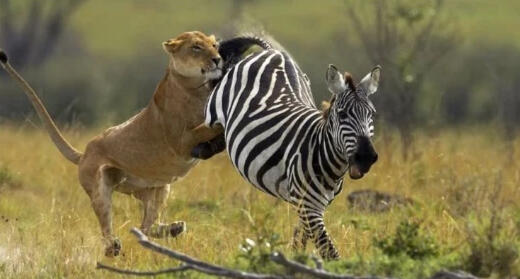
Located along the main highway between Dar es Salaam and southern Tanzania, Mikumi National Park is one of the country's most accessible safari destinations. Its open plains resemble the Serengeti and support lions, elephants, buffalo, giraffes, zebras, wildebeest, hippos, crocodiles, and many antelope species. It is an excellent choice for first-time safari visitors.
parks
katavi national park
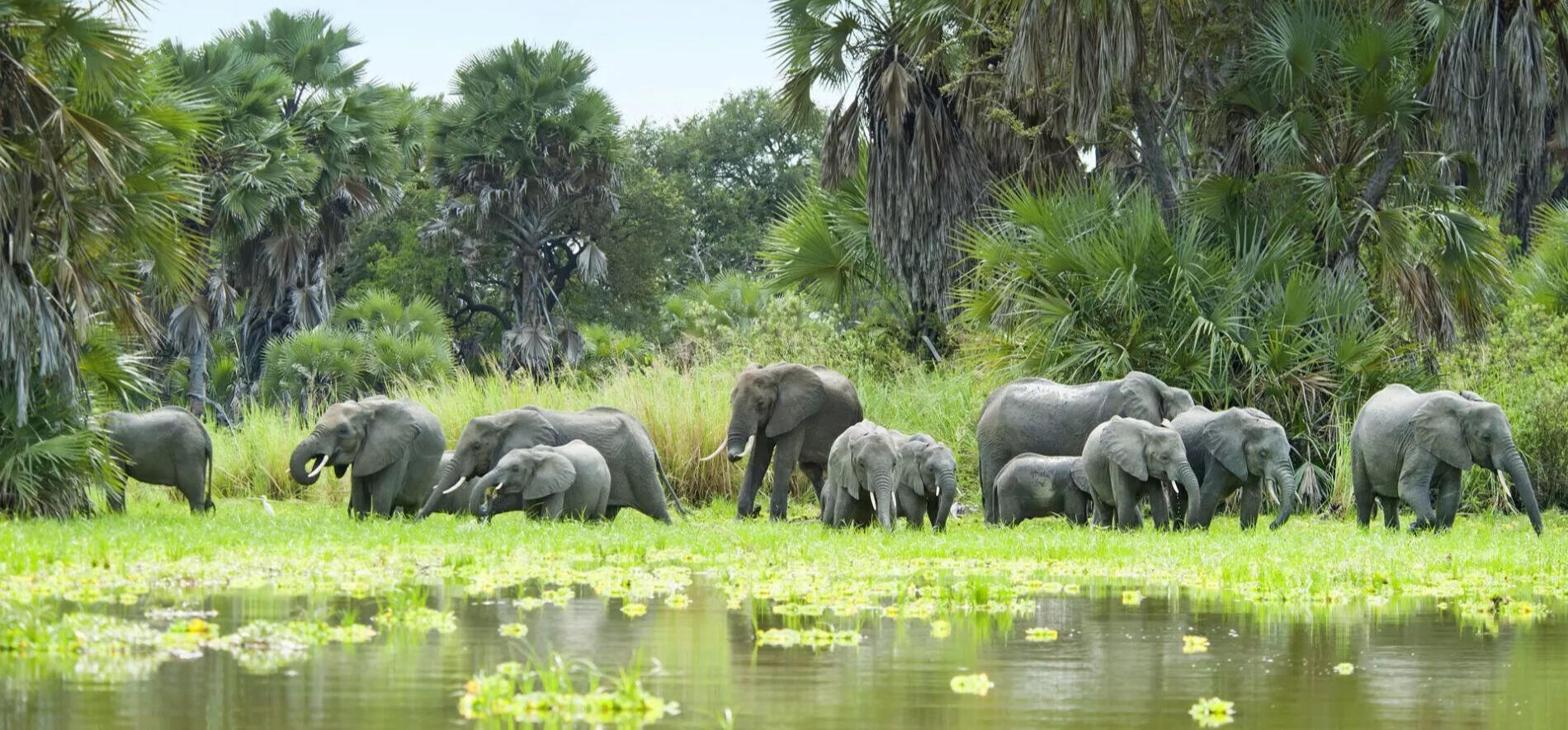
Katavi is one of Tanzania's most remote and least visited parks, offering an authentic wilderness experience with very few tourists. During the dry season, rivers and waterholes attract enormous concentrations of hippos, crocodiles, buffalo, elephants, and predators. It is particularly popular with experienced safari enthusiasts looking to escape the crowds.
parks
mahale mountains national park
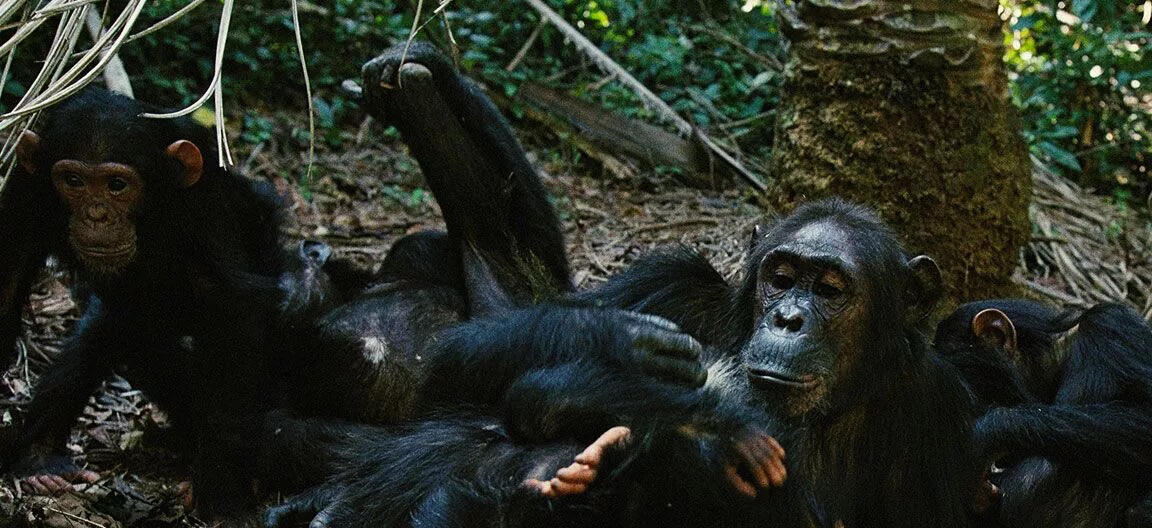
Situated on the shores of Lake Tanganyika, Mahale Mountains National Park is best known for its habituated wild chimpanzees. Visitors hike through lush rainforest to observe chimpanzees in their natural habitat before relaxing on pristine sandy beaches beside one of the world's deepest lakes. There are no roads within the park, making access by boat an adventure in itself.
parks
gombe national park
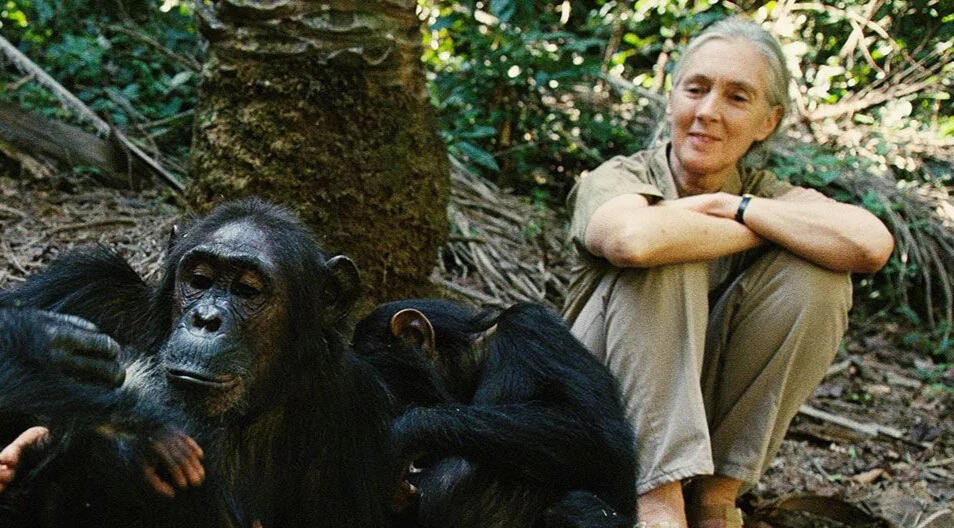
Gombe is Tanzania's smallest national park but one of its most famous thanks to the pioneering chimpanzee research carried out by Jane Goodall. Visitors trek through steep forested hills to observe chimpanzees, while also encountering olive baboons, red colobus monkeys, and spectacular views over Lake Tanganyika.
parks
mkomazi national park
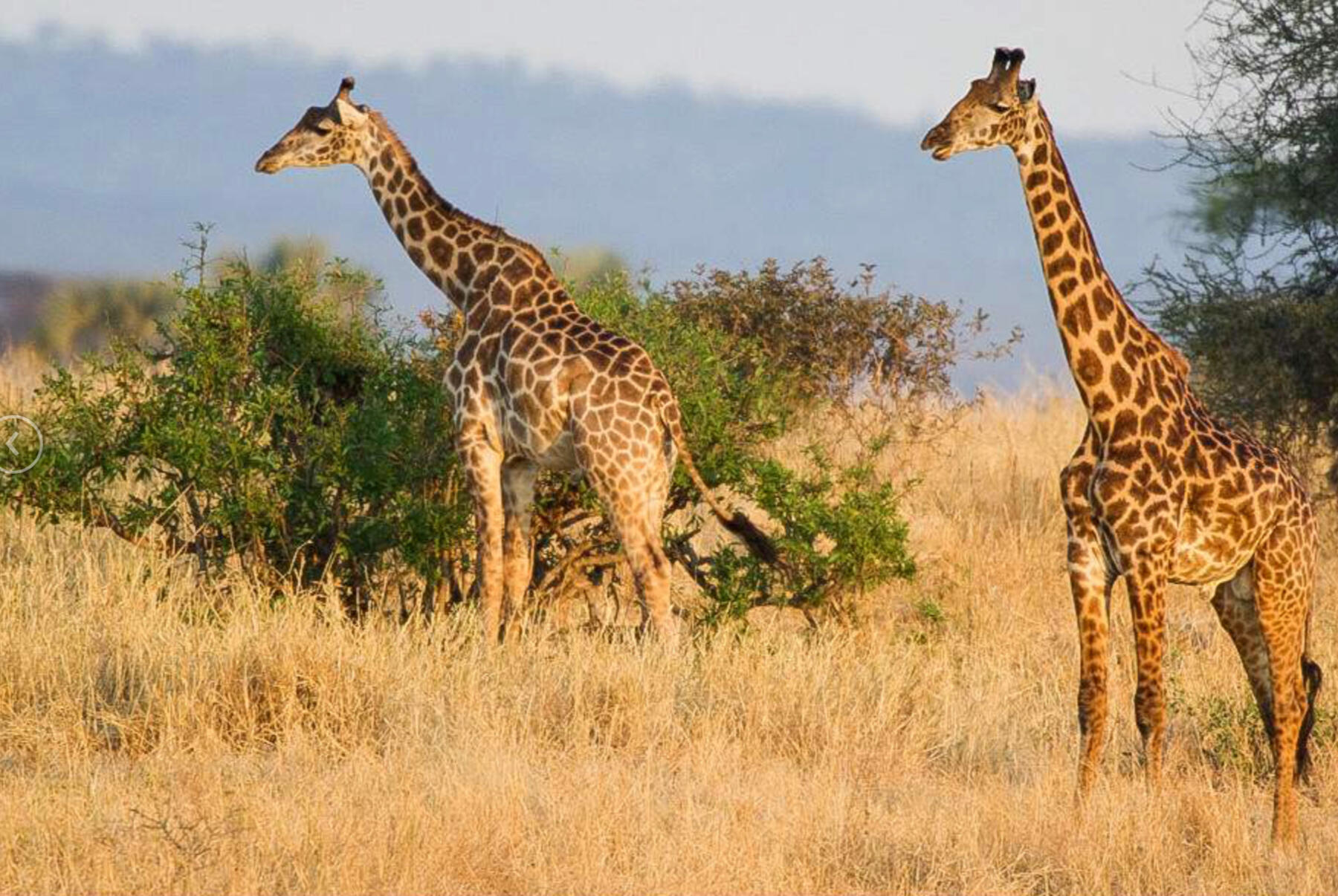
Located near the Kenyan border, Mkomazi National Park is an important conservation area for endangered black rhinos and African wild dogs. The park's semi-arid landscapes provide stunning views of Mount Kilimanjaro on clear days. It offers a quieter safari experience with elephants, giraffes, zebras, antelope, and a growing population of protected wildlife.
parks
saadani national park
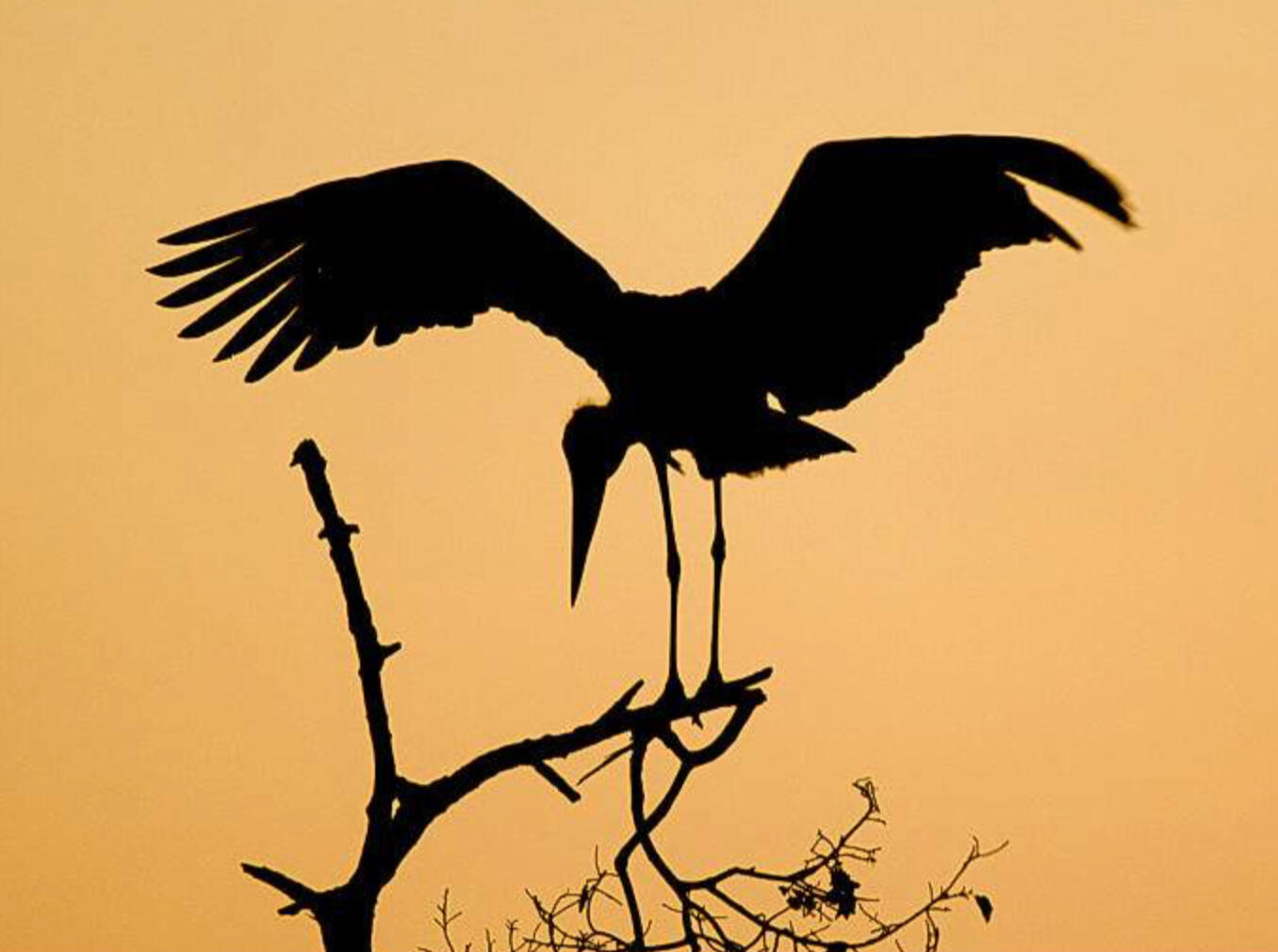
Saadani National Park is the only wildlife park in East Africa where the bush meets the beach, offering a truly unique safari experience. Located along the Indian Ocean coast between Dar es Salaam and Tanga, it combines traditional game viewing with pristine sandy beaches and mangrove forests. Visitors can enjoy game drives, boat safaris along the Wami River, birdwatching, and relaxing by the ocean. Wildlife includes elephants, lions, buffalo, giraffes, zebras, warthogs, hippos, crocodiles, and green turtles, which nest on the beaches during certain times of the year. The park's diverse habitats make it an excellent destination for those wanting both a safari and a coastal holiday in one trip.
parks
kitulo national park
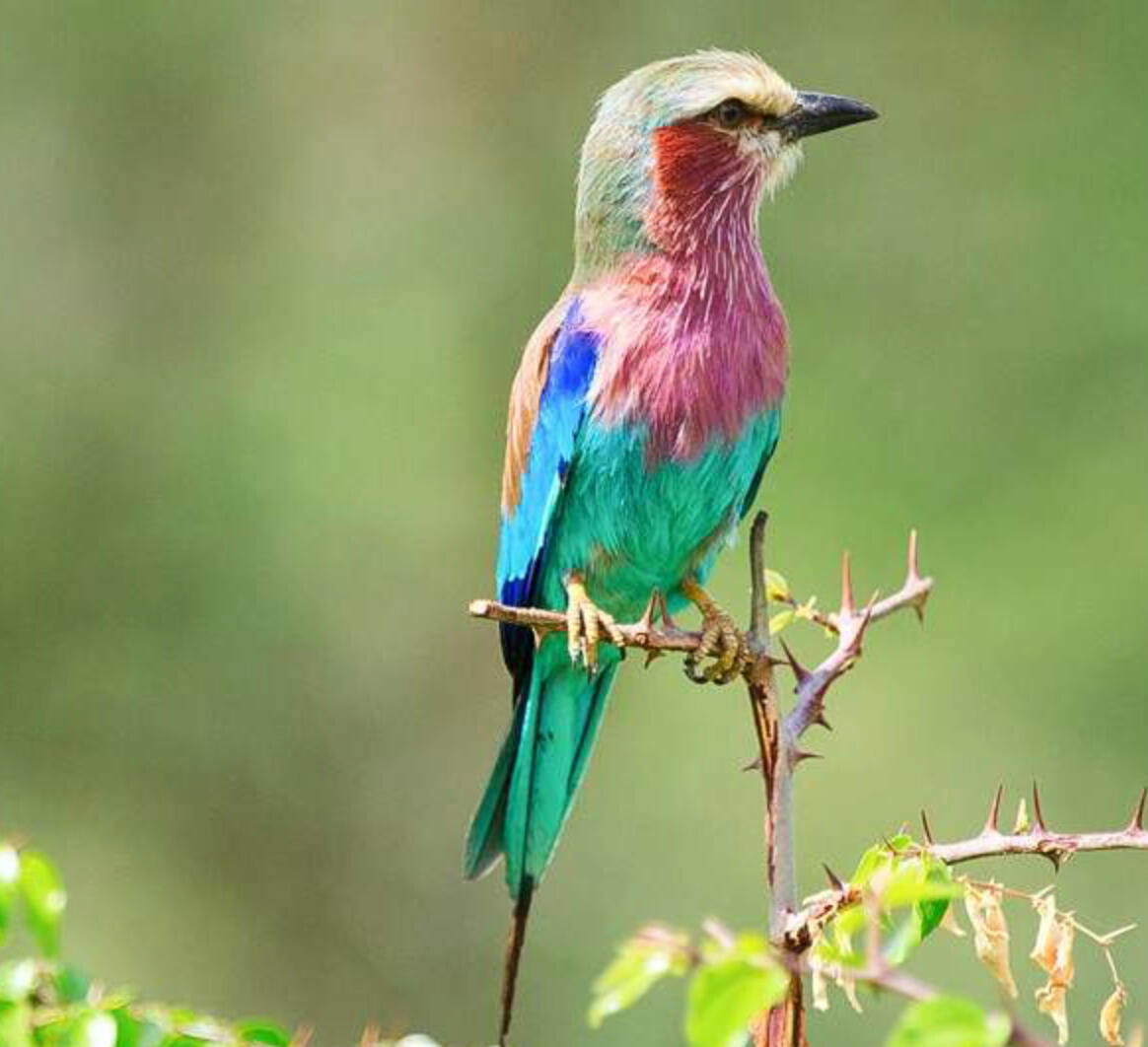
Often called the "Serengeti of Flowers," Kitulo National Park is unlike any other national park in Tanzania. Situated on the Kitulo Plateau at an altitude of around 2,600 metres, the park is famous for its spectacular displays of wildflowers, particularly between November and April. More than 350 species of vascular plants grow here, including over 45 species of orchids, many of which are found nowhere else in the world. Rather than offering traditional Big Five safaris, Kitulo is ideal for hiking, botanical tourism, birdwatching, and photography. The rolling grasslands are also home to eland, reedbuck, mountain reedbuck, and a variety of endemic birds.
parks
udzungwa mountains national park
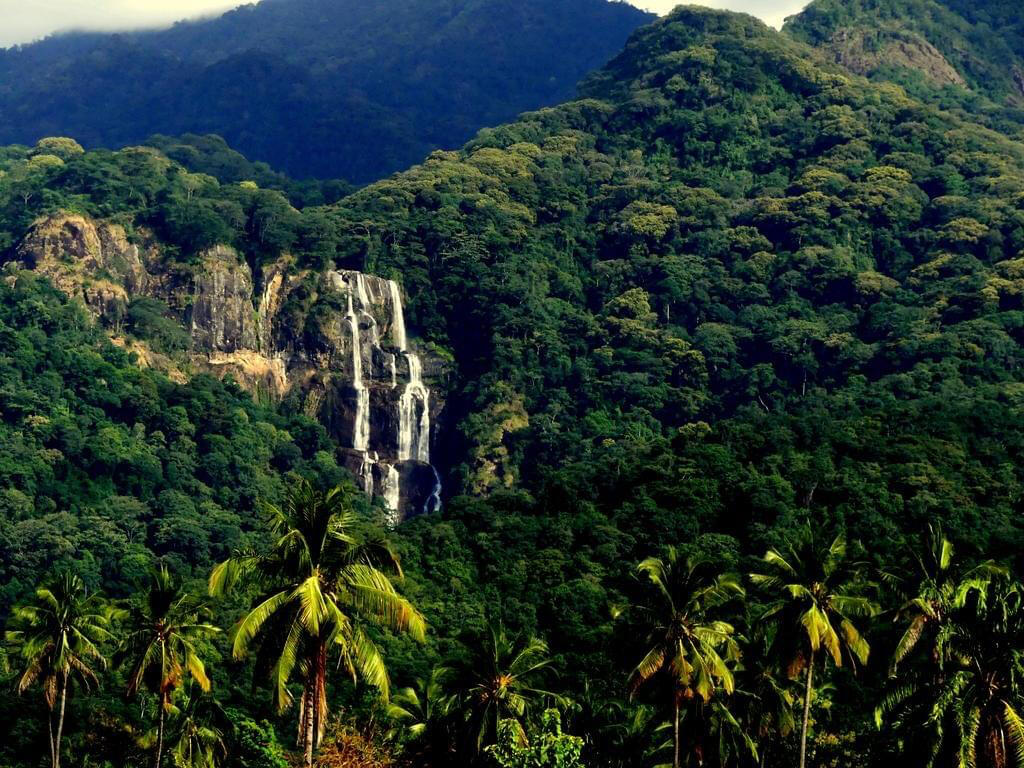
Udzungwa Mountains National Park forms part of the Eastern Arc Mountains, one of the world's most important biodiversity hotspots. Unlike most Tanzanian parks, there are no roads for game drives, making it a destination focused on hiking and nature exploration. Dense tropical rainforest, waterfalls, rivers, and mountain forests provide habitat for numerous endemic species, including the Iringa red colobus monkey and the Sanje crested mangabey. The park's most popular attraction is the breathtaking Sanje Waterfalls, which cascade approximately 170 metres over three stages and offer panoramic views across the Kilombero Valley. Birdwatchers and botanists also find the park exceptionally rewarding due to its rich biodiversity.
parks
rubondo island national park
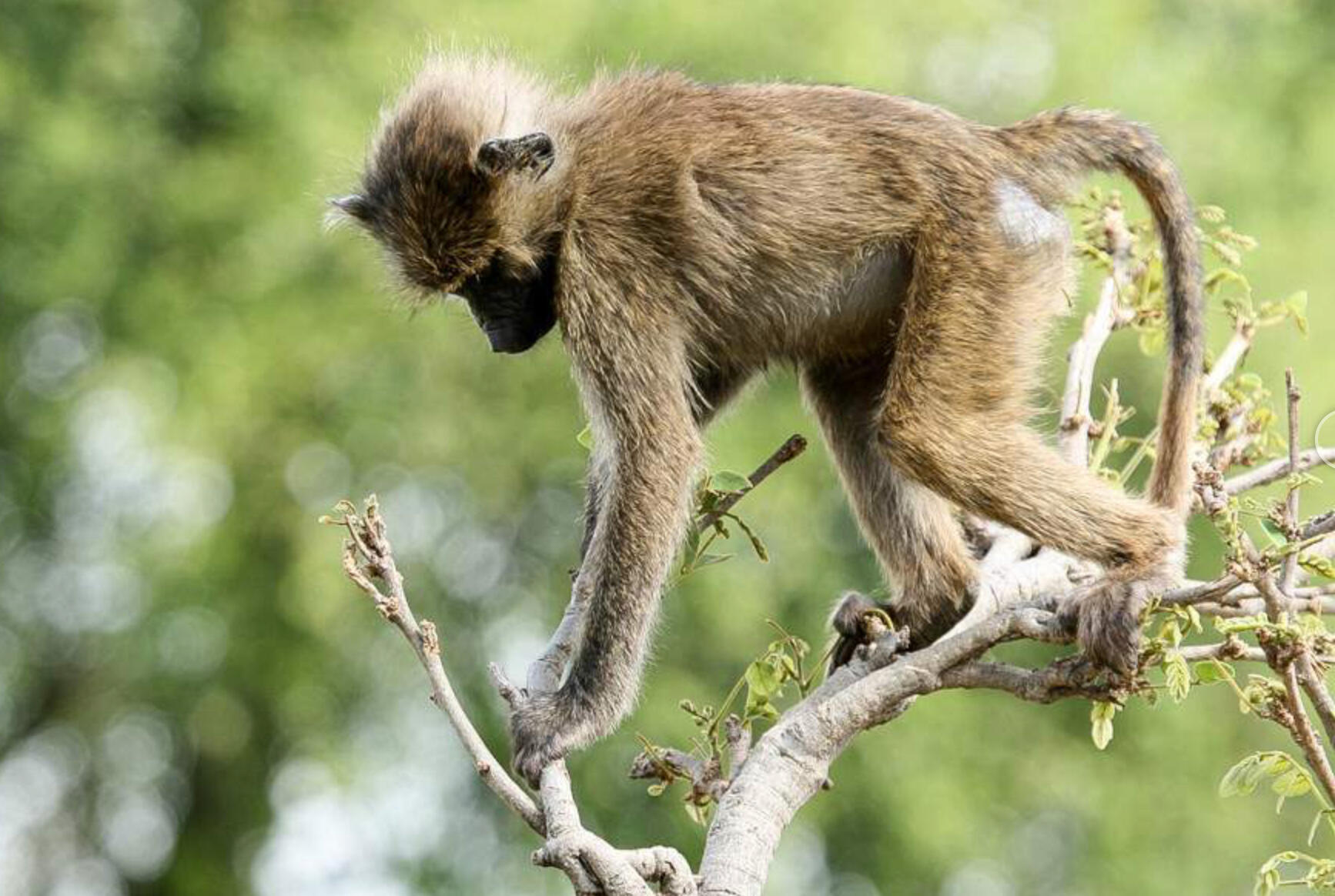
Rubondo Island National Park lies on the southwestern shores of Lake Victoria and protects Tanzania's largest island national park. Around 80% of the island remains covered by tropical forest, providing habitat for chimpanzees that were introduced as part of a rehabilitation project, as well as elephants, sitatunga antelope, bushbuck, hippos, crocodiles, and more than 400 bird species. The surrounding waters are famous for Nile perch fishing, while guided forest walks, boat excursions, kayaking, birdwatching, and chimpanzee trekking offer visitors a unique alternative to the traditional savannah safari. The island's isolation means it receives relatively few visitors, making it a peaceful destination for nature lovers.
parks
burigi chato national park
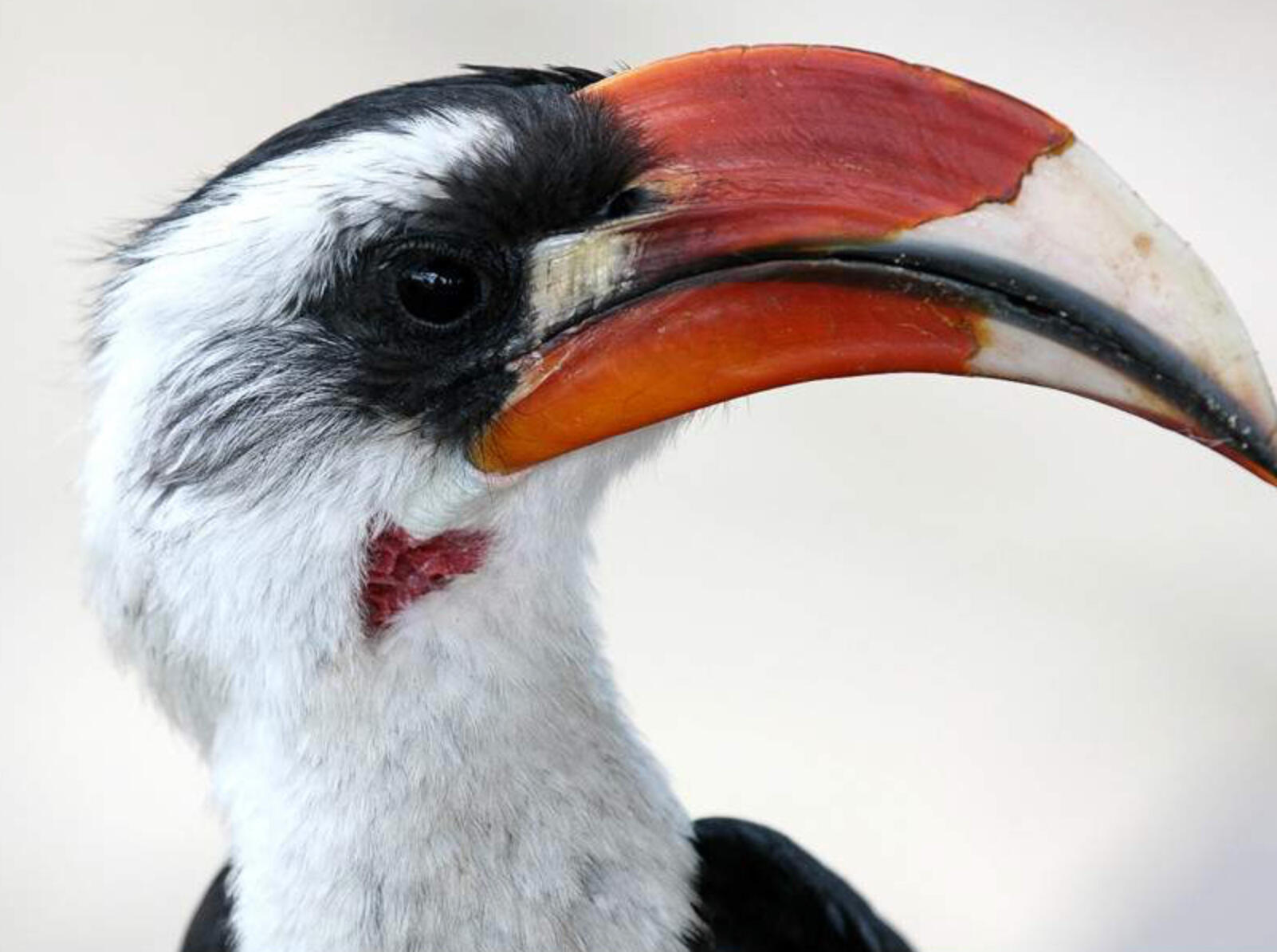
Established as a national park in 2019, Burigi-Chato is one of Tanzania's newest protected areas and forms part of a large transboundary ecosystem bordering Rwanda and Uganda. The park features rolling hills, lakes, rivers, wetlands, and open savannah, supporting elephants, lions, leopards, buffalo, giraffes, zebras, roan antelope, sable antelope, and numerous bird species. Boat safaris on Lake Burigi provide opportunities to observe hippos, crocodiles, and aquatic birds, while the park's low visitor numbers make it ideal for travellers seeking an uncrowded wilderness experience.
parks
rumanyika karagwe national park
Rumanyika-Karagwe National Park is another of Tanzania's newest protected areas, preserving a landscape of wooded hills, open plains, river valleys, and seasonal wetlands. The park supports elephants, giraffes, buffalo, zebras, impalas, topis, elands, and a wide variety of birdlife. Its scenic landscapes and limited tourist traffic make it attractive for travellers looking to experience Tanzania's emerging safari destinations before they become more widely known.
Safari packages
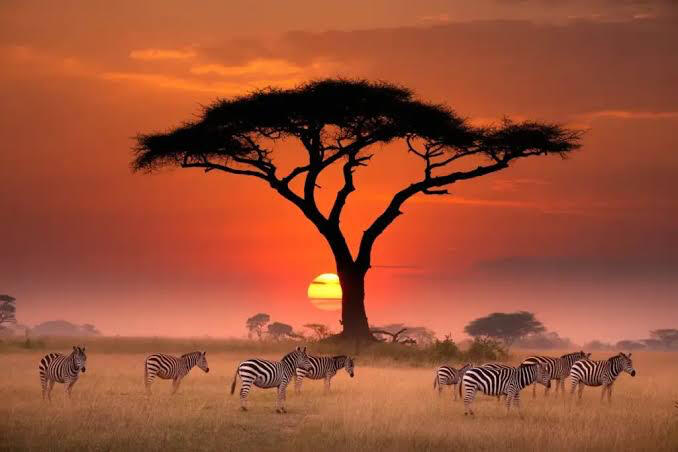
Tailor-Made Safari Packages
Every safari we create is designed around you. Whether you're dreaming of a classic wildlife adventure, a luxury escape, a family holiday, a photography expedition or a specialist botanical or cultural tour, we'll create an itinerary that matches your interests, travel style and budget.
We provide personalised quotations based on your individual requirements. This allows us to design the perfect safari while ensuring you receive the best possible value.The cost of your safari will depend on several factors, including:Number of travellers
Time of year (high, shoulder or low season)
Length of your stay
National parks and destinations included
Standard of accommodation
Type of safari vehicle
Private or shared safari options
Additional activities such as cultural visits, walking safaris or hot air balloon experiencesTravelling during the low season can often offer excellent value, with reduced accommodation rates, fewer visitors and a more peaceful safari experience, while still providing fantastic wildlife viewing opportunities.Whether you already know exactly where you'd like to visit or you're looking for expert recommendations, our team will work with you to create a personalised itinerary that suits your schedule, interests and budget. From single-day adventures to extended expeditions across Northern Tanzania and beyond, every safari is carefully planned to ensure a memorable and seamless experience.Simply get in touch with your preferred travel dates, group size and any special requests, and we'll prepare a bespoke safari proposal designed especially for you. We can book a call or video meeting to discuss your needs further.One day safari trips begin at $450 per person and 3 day trips begin at $900 per person. Contact us for a tailored price
Hiking packages
Climb Africa’s Highest Mountain – Designed Around YouEvery Kilimanjaro climb is a unique experience, and we believe your journey should be designed around your goals, fitness level, preferred pace and travel style. Our tailor-made Kilimanjaro packages allow you to choose the route, duration and level of challenge that best suits your adventure.
Whether you are a first-time trekker, an experienced hiker, a photographer, a nature enthusiast or a group looking for a private expedition, we will create a personalised Kilimanjaro experience with professional mountain support from start to summit.Choose Your Kilimanjaro RouteMarangu Route – The “Coca-Cola Route”
Duration: 5–6 days
Difficulty Level: Moderate
Accommodation: Mountain huts
The Marangu Route is one of the most established Kilimanjaro routes and the only route where climbers sleep in permanent mountain huts. It offers a gradual ascent through rainforest, moorland and alpine desert landscapes before reaching the summit.Best for:
Trekkers looking for hut accommodation
Those who prefer a shorter itinerary
Climbers who want a more comfortable sleeping arrangementMachame Route – The “Whiskey Route”
Duration: 6–7 days
Difficulty Level: Moderate to Challenging
Accommodation: Mountain tents
The Machame Route is one of Kilimanjaro’s most scenic routes, offering spectacular views and excellent acclimatisation opportunities. The trail passes through diverse ecosystems, including rainforest, volcanic landscapes and high-altitude zones.Best for:
First-time Kilimanjaro climbers
Adventurous hikers
Those wanting beautiful scenery and a classic trekking experienceLemosho Route
Duration: 7–8 days
Difficulty Level: Moderate to Challenging
Accommodation: Mountain tents
The Lemosho Route approaches Kilimanjaro from the west and is considered one of the most beautiful routes. It begins in a remote forest area with excellent wildlife and scenery before joining the southern circuit.Best for:
Better acclimatisation
Scenic landscapes
Climbers wanting a quieter experienceNorthern Circuit Route
Duration: 9 days
Difficulty Level: Moderate to Challenging
Accommodation: Mountain tents
The Northern Circuit is Kilimanjaro’s longest and one of its most successful summit routes due to its excellent acclimatisation profile. It circles the quieter northern side of the mountain before approaching the summit.Best for:
Maximum acclimatisation time
Higher summit success chances
Travellers wanting a less crowded routeRongai Route
Duration: 6–7 days
Difficulty Level: Moderate
Accommodation: Mountain tents
The Rongai Route approaches Kilimanjaro from the northern side near the Kenyan border. It is a quieter route with beautiful wilderness scenery and a gradual ascent.Best for:
Those seeking fewer crowds
Hikers who prefer a gentler approach
Trekkers travelling during wetter seasonsUmbwe Route
Duration: 5–7 days
Difficulty Level: Challenging to Very Challenging
Accommodation: Mountain tents
The Umbwe Route is the steepest and most direct route to the summit. It requires good fitness and previous hiking experience due to its rapid ascent.Best for:
Experienced trekkers
Adventurous climbers seeking a challenge
Those looking for a less travelled routeShira RouteDuration: 7–8 days
Difficulty Level: Moderate to Challenging
Accommodation: Mountain tents
The Shira Route begins at a higher altitude on the western side of Kilimanjaro and crosses the spectacular Shira Plateau before joining the Machame route.Best for:
Experienced hikers
Scenic trekking
Those interested in volcanic landscapesProfessional Mountain Support TeamYour safety, comfort and success are our priority. Every Kilimanjaro expedition includes a dedicated mountain crew providing expert guidance, excellent service and support throughout your climb.Your team includes:
Experienced Mountain Guides:
2 professional Kilimanjaro guides per group
Expert knowledge of the mountain, weather conditions and altitude management
Support with pacing, acclimatisation and summit preparation
Porters:
We follow responsible porter support practices, ensuring your team has enough assistance throughout the climb.
Approximately 3–4 porters per climber
Porters carry camping equipment, supplies and group necessities
Ensuring climbers can focus on enjoying the journey safely
Mountain Chef
A dedicated mountain chef prepares fresh, nutritious meals throughout your trek, including:
Breakfast before hiking
Packed lunches
Evening meals at camp
Meals designed to support energy requirements at altitudeFlexible Packages & Personalised Pricing
The cost of your Kilimanjaro climb is based on your chosen itinerary and personal requirements. We provide bespoke quotations to ensure your expedition is tailored to your group.Factors affecting the cost include:
Number of climbers in your group
Route selected
Number of trekking days
Season of travel
Accommodation standard before and after the climb
Private or group expedition
Additional activities before or after your climb
Airport transfers and transport requirements
High Season vs Low SeasonHigh Season (Peak Travel Periods):
Higher demand for mountain permits and accommodation
More climbers on popular routes
Ideal weather conditions during the main trekking seasonsLow Season:
More peaceful trails with fewer climbers
Greater availability of accommodation
Potentially lower overall costs
A quieter and more personal mountain experienceStart Planning Your Kilimanjaro Adventure
From choosing the right route to arranging your mountain crew and additional Tanzania experiences, we will create a complete Kilimanjaro package designed around your needs.Simply get in touch with your preferred travel dates, group size and any special requests, and we'll prepare a bespoke Kilimanjaro climbing proposal designed especially for you. We can book a call or video meeting to discuss your needs further.Hiking routes start at $1000 per person depending on group size and route, message us for a more detailed quote.
kilimanjaro routes
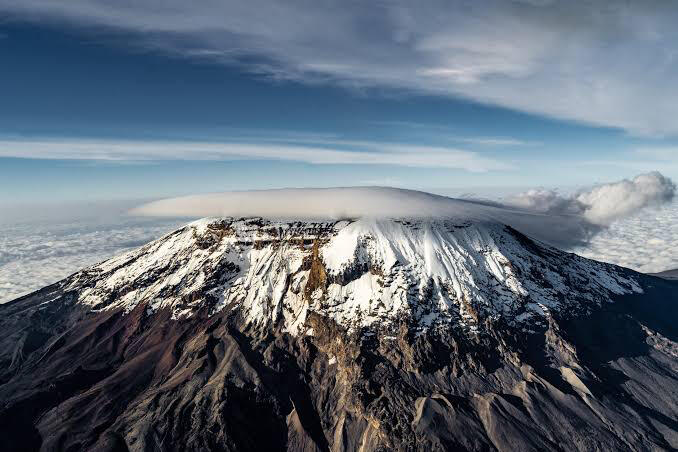
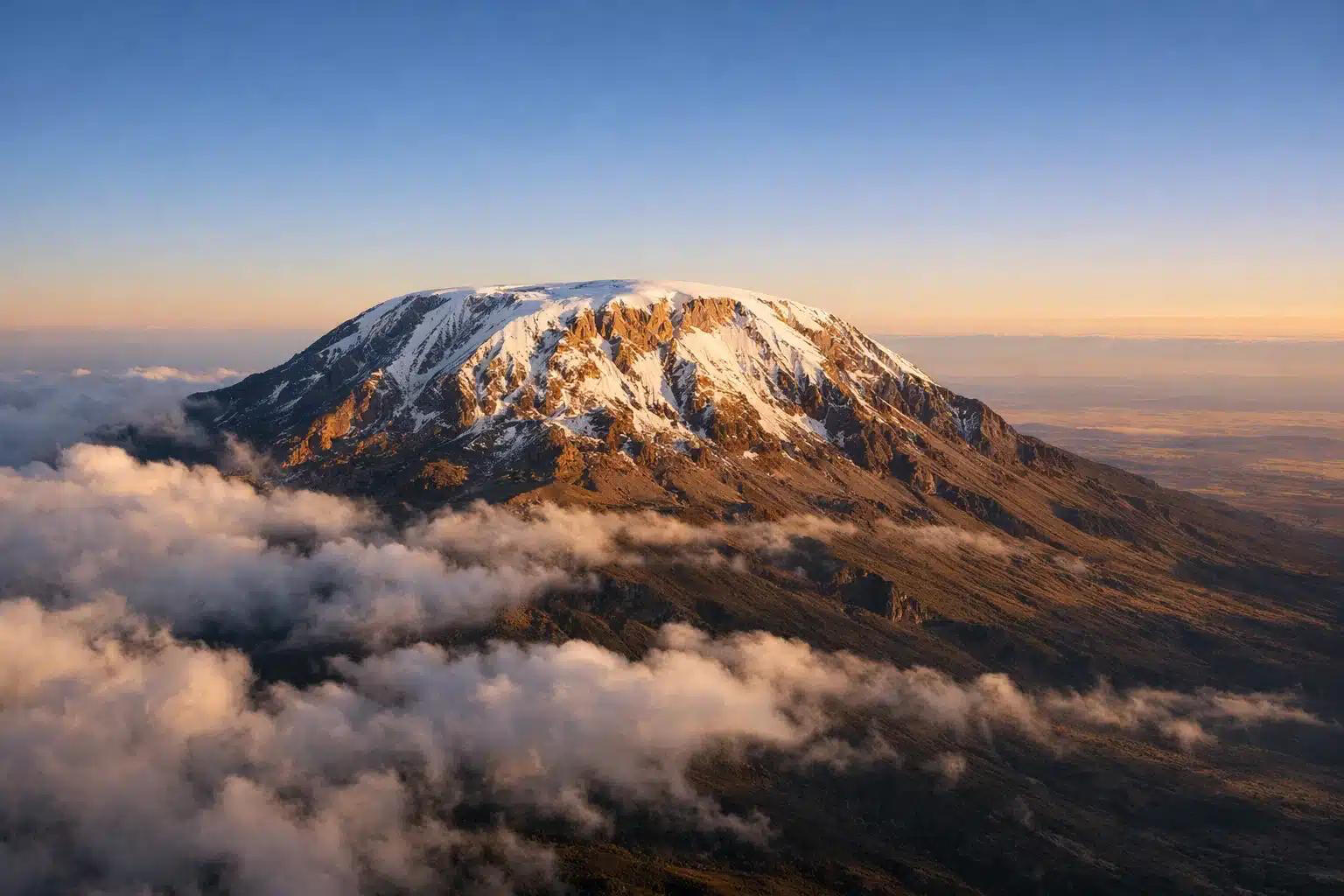
Standing at 5,895 metres (19,341 feet), Mount Kilimanjaro is Africa's highest mountain and the world's tallest free-standing mountain. There are seven official climbing routes to Uhuru Peak, each offering different scenery, levels of difficulty, accommodation, and acclimatisation profiles. Choosing the right route is one of the most important decisions when planning a successful summit. Longer itineraries generally have significantly higher summit success rates because they allow more time to adapt to the altitude.The seven official Kilimanjaro climbing routes vary in duration, scenery, accommodation, and difficulty, allowing trekkers to choose an experience that best suits their goals and fitness level. Climbs typically last between 5 and 9 days, with longer itineraries providing better acclimatisation and a higher chance of reaching the summit. Most routes use camping accommodation, while the Marangu Route is the only option offering mountain huts. Whether you are looking for a scenic adventure, a quieter trail, a challenging ascent, or the highest likelihood of summiting, there is a route to suit every type of climber.Which Route Should You Choose?The best route depends on your priorities. If you're looking for the ideal combination of stunning scenery, gradual acclimatisation, and excellent summit success, the Lemosho Route is widely regarded as the top choice. The Northern Circuit offers the highest summit success rates thanks to its longer itinerary and is perfect for those with extra time who prefer a quieter experience. The Machame Route is the most popular, known for its dramatic landscapes and rewarding challenge. Climbers seeking the comfort of mountain huts often choose the Marangu Route, while the Rongai Route provides a peaceful ascent from the northern side of the mountain and performs well during the rainy season. More experienced hikers looking for a steeper, more demanding climb may prefer the Umbwe Route, while the Shira Route offers spectacular western scenery but begins at a higher altitude, making it better suited to those with some previous high-altitude experience. Regardless of the route, choosing a 7- or 8-day itinerary gives your body more time to acclimatise and significantly improves your chances of reaching Uhuru Peak safely and successfully.
kilimanjaro routes
kilimanjaro Lemosho Route
Typical duration: 8 days recommended
Often regarded as the most scenic route on Kilimanjaro, the Lemosho Route approaches the mountain from the remote western side. The trek begins in lush rainforest before crossing the expansive Shira Plateau, one of the highest plateaus in the world. As the route progresses, hikers pass the impressive Lava Tower and tackle the famous Barranco Wall before ascending to Barafu Camp for the final summit attempt. The gradual ascent provides excellent acclimatisation, making it one of the routes with the highest summit success rates. Campsites are quieter during the first few days, allowing climbers to enjoy a more peaceful wilderness experience before joining the Machame Route. This route is ideal for first-time climbers who want the best balance of scenery, acclimatisation, and summit success.
kilimanjaro routes
Machame Route (whiskey route)
Typical duration: 7 days recommended
Known as the "Whiskey Route," Machame is Kilimanjaro's most popular trail. It is more physically demanding than Marangu but rewards climbers with spectacular scenery and an excellent acclimatisation profile. The route passes through five distinct ecological zones, including rainforest, moorland, alpine desert, and arctic summit terrain. Climbers experience highlights such as the Shira Plateau, Lava Tower, and the dramatic Barranco Wall before reaching Barafu Camp. Although busier than other routes, Machame consistently offers high summit success rates, particularly on the seven-day itinerary. Accommodation is exclusively in tents throughout the climb.
kilimanjaro routes
Marangu route (Coca Cola route)
Typical duration: 6 days recommended
Marangu is the oldest and most established route on Kilimanjaro. It is unique because it is the only route offering dormitory-style mountain huts rather than camping, making it popular with climbers seeking more comfort. The trail follows the same path both up and down the mountain and features gentle gradients through rainforest and alpine desert. However, because the climb is shorter, climbers have less time to acclimatise, resulting in lower summit success rates than longer routes. It remains an excellent option for those who prefer hut accommodation or are trekking during wetter seasons.
kilimanjaro routes
rongai route
Typical duration: 6–7 days
The Rongai Route approaches Kilimanjaro from the northern side near the Kenyan border. It is the only official northern approach and receives considerably less rainfall than the southern routes, making it an excellent choice during wetter months. The trail is quieter and less crowded, offering a sense of solitude while passing through forests, moorland, and alpine desert. Climbers enjoy spectacular views of Mawenzi Peak before joining the Marangu Route for the final summit ascent. Rongai is considered one of the easier routes due to its steady gradients, although the scenery is generally less varied than the western and southern approaches.
kilimanjaro routes
northern circuit route
Typical duration: 8–9 days
The Northern Circuit is the newest and longest official route on Kilimanjaro. Beginning on the western side via Lemosho, it circles around the quieter northern slopes before reaching the summit. Because of its extended itinerary, climbers benefit from exceptional acclimatisation, giving this route one of the highest summit success rates of all Kilimanjaro routes. It also offers the greatest variety of landscapes and panoramic views, while avoiding the crowds found on more popular trails. The Northern Circuit is best suited to hikers with extra time who want the highest likelihood of reaching Uhuru Peak.
kilimanjaro routes
umbwe route
Typical duration: 5–6 days
The Umbwe Route is the shortest, steepest, and most physically demanding way to climb Kilimanjaro. Beginning with a rapid ascent through dense rainforest, it quickly gains altitude before joining the Machame Route near Barranco Camp. Because climbers ascend rapidly with limited time for acclimatisation, this route has a lower summit success rate and is recommended only for experienced hikers who are confident at high altitude. Despite its difficulty, Umbwe rewards adventurous climbers with dramatic scenery and very low trail traffic during the early stages.
kilimanjaro routes
shira route
Typical duration: 7–8 days
The Shira Route begins high on the western slopes of Kilimanjaro after a long drive to the Shira Gate. Since the trek starts at a relatively high elevation, climbers miss much of the rainforest but immediately enjoy expansive views across the Shira Plateau. The route later merges with the Lemosho Route and follows the same path via Lava Tower, Barranco, and Barafu Camp to the summit. Although highly scenic, the higher starting altitude makes acclimatisation more challenging during the first day, so it is generally better suited to hikers who already have some altitude experience.
botanical tours
The Hidden Flora of Tanzania
Discover Tanzania beyond its famous wildlife with a unique botanical expedition exploring some of the country’s most diverse and extraordinary ecosystems. From tropical rainforests and mountain forests to high-altitude flower meadows and traditional plant knowledge, our botanical tours are designed for nature lovers, students, researchers, photographers and anyone fascinated by the hidden world of plants.Tanzania is home to remarkable botanical diversity, including endemic species, ancient forests, medicinal plants and unique mountain ecosystems. Our specialist botanical experiences combine guided nature walks, ecological exploration, cultural knowledge and opportunities to discover the relationship between people, plants and the environment.Explore Tanzania’s Botanical TreasuresAmani Nature Reserve – East Usambara MountainsOne of Tanzania’s most important botanical regions, Amani Nature Reserve is a paradise for plant enthusiasts. Explore ancient tropical forests, discover rare and endemic species, learn about traditional medicinal plants and experience one of East Africa’s richest biodiversity hotspots.Highlights:
Tropical rainforest exploration
Indigenous and medicinal plant identification
Ethnobotanical experiences with local communities
Rare plant and wildlife observationKitulo National Park – The Serengeti of FlowersKnown as the “Serengeti of Flowers”, Kitulo Plateau offers one of Africa’s most spectacular botanical landscapes. During the flowering season, the grasslands transform into a colourful display of orchids, wildflowers and unique highland plants.Highlights:
Wildflower walks
Botanical photography
Highland ecosystem exploration
Seasonal plant discoveryMount Kilimanjaro Forest EcosystemsThe slopes of Mount Kilimanjaro contain several unique vegetation zones, each with its own plant communities. Walk through lush montane forests, explore endemic flora and learn how altitude influences plant adaptation.Highlights:
Montane rainforest walks
Ferns, mosses and highland vegetation
Coffee and agroforestry experiences
Chagga cultural connections with plantsMaasai Ethnobotanical ExperiencesPlants have played an essential role in traditional African medicine and daily life for generations. Through cultural experiences with local communities, discover how indigenous knowledge has been used to identify medicinal plants, food sources and natural resources.Highlights:
Traditional plant uses
Medicinal plant knowledge
Indigenous ecological practices
Cultural exchange experiencesFully Customisable Botanical ToursEvery botanical journey can be tailored to your interests, experience level and research goals.
Whether you are a professional botanist documenting plant species, a university group studying ecology, a photographer searching for unique landscapes, or simply a nature enthusiast wanting to explore Tanzania’s hidden natural beauty, we can design an itinerary specifically for you.Customisation options include:
Scientific Botanical Expeditions
Designed for researchers and academic groups, with opportunities for detailed plant observation, ecological studies and specialist guiding.
Wildflower & Photography Tours
Perfect for photographers and nature lovers wishing to capture Tanzania’s seasonal blooms, landscapes and rare plant species.Ethnobotanical & Cultural ExperiencesExplore the connection between local communities and plants, including traditional uses of medicinal and useful species.
Mountain Ecology Adventures
Combine Kilimanjaro, Mount Meru and highland ecosystems to discover how plants adapt to changing altitude and climate.Educational & Student ToursIdeal for universities, medical students, biology students and conservation groups seeking practical learning experiences in Tanzania’s natural environments.
Create Your Botanical Adventure
No two botanical journeys are the same. Choose your preferred destinations, duration, level of activity and areas of interest, and our team will create a personalised botanical experience showcasing Tanzania’s incredible plant diversity.
From rainforest trails to flower-covered plateaus, Tanzania offers a world of botanical discovery waiting to be explored.Contact us below with your requirements for a custom made tour tailored specifically to your needs.Botanical tours start at $850 per person for a 3 day tour, contact us for a tailored and personalised quote
Contact us
Ready to start planning your Tanzanian adventure? Whether you're travelling solo, as a couple, with your family, or as part of a group, we create bespoke itineraries tailored to your interests, travel style, and budget. From unforgettable wildlife safaris and Mount Kilimanjaro climbs to cultural experiences, Zanzibar beach holidays, and multi-day tours, we'll help you design the perfect trip.When Contacting Us, Please Provide:
Full name
Email address and/or telephone number
Number of travellers in your group
Preferred travel dates or approximate timeframe
Type of experience you are interested in
Kilimanjaro climbing
Safari
Botanical tours
Cultural experiences
Nature and adventure activitiesIf Planning a Mount Kilimanjaro Climb:Preferred climbing route (if you already have one in mind)
Previous hiking experience (optional)
Preferred number of trekking days (if known)If Planning a Safari or Tour:Destinations you would like to visit
Activities or experiences you would like to includeAdditional Information:Your approximate budget (optional)
Any special requests, interests or requirementsOur team will use this information to create a personalised itinerary and quotation designed around your needs, helping you experience an unforgettable Tanzanian adventure.

Book your trip
Tell us a little about your travel plans and the experiences you are interested in. Whether you are looking for a Kilimanjaro trek, botanical expedition, wildlife safari, or a day trip around Moshi, we will help create an itinerary tailored to your interests, schedule, and budget.
Please complete the form below with as much detail as possible. Our team will review your requirements and get back to you with recommendations and the next steps for planning your unforgettable Tanzania experience.